8 International Destinations Off the Beaten Path
Affiliate Disclosure: Some of the links on this site are affiliate links. If you click on one and make a purchase, we may earn a commission at no additional cost to you. We only recommend products and services that we believe will be useful to our readers, and affiliate relationships never influence our opinions or the content we publish.
The best travel stories rarely begin with a famous landmark. They begin when you linger at a neighborhood café, take the local bus without a tour group, or realize the person helping you order lunch is also explaining how life really works there. International destinations off the beaten path can create those moments - but choosing one well means looking beyond a pretty photo and considering access, cost, culture, and the pace of daily life.
For American travelers, an overlooked destination does not have to mean difficult, remote, or uncomfortable. It can simply mean a place where tourism has not flattened every experience into the same itinerary. These are destinations that reward curiosity, especially for travelers who want a meaningful vacation now and a clearer picture of life abroad later.
What Makes International Destinations Off the Beaten Path Worth It?
A less-visited destination often offers more room to connect. Your budget may stretch further, locally owned businesses may play a larger role in the visitor experience, and conversations can feel less scripted. You are also more likely to see the ordinary rhythms that matter if you are considering a longer stay: grocery shopping, commuting, finding community, and navigating a city after the sightseeing is done.
That said, going beyond the usual route comes with trade-offs. Flight connections may be longer, English may be less widely spoken, and tourist infrastructure can be lighter. A destination can be wonderfully affordable while still requiring more cash on hand, patience with transportation, or advance planning for medical needs. The goal is not to travel somewhere obscure for bragging rights. It is to find a place that matches your comfort level and gives you a more grounded experience of another culture.
8 International Destinations Off the Beaten Path
1. Kotor Bay and the Montenegrin Coast
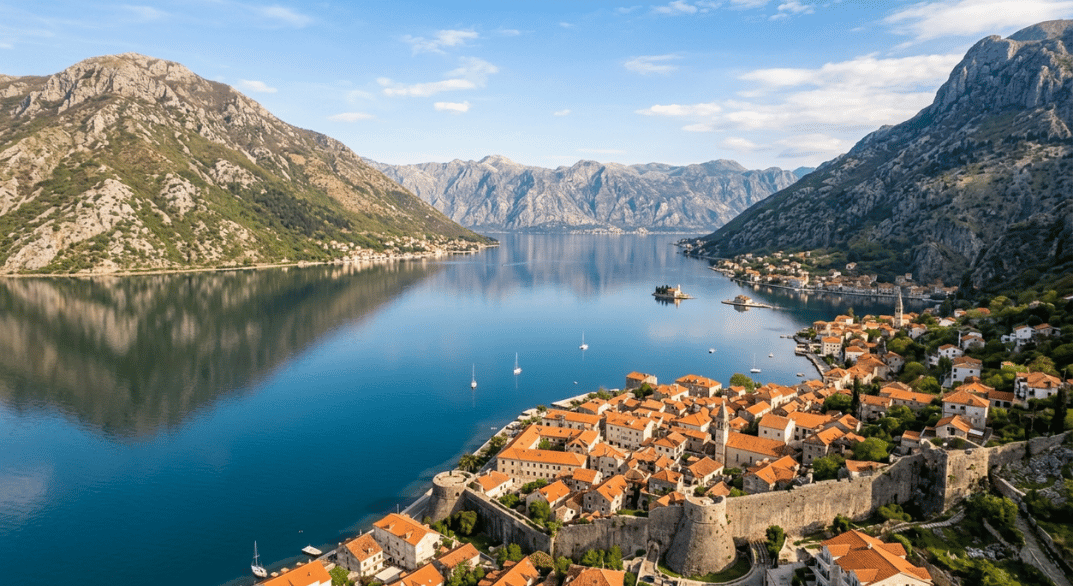
Kotor Bay
Montenegro delivers dramatic Adriatic scenery without the nonstop crowds of nearby Croatia and Italy. Base yourself in Kotor for medieval lanes and mountain views, then spend time in smaller bay towns such as Perast or Herceg Novi. The coast is most enjoyable in late spring or early fall, when the weather is still inviting and prices are less intense.
For a longer stay, Montenegro appeals to travelers who value a slower Mediterranean routine and easy regional access. Summer housing can become expensive in coastal areas, though, and the quieter winter months are a very different experience. Spend enough time there to see whether you enjoy the seasonality, not just the scenery.
2. Tainan, Taiwan
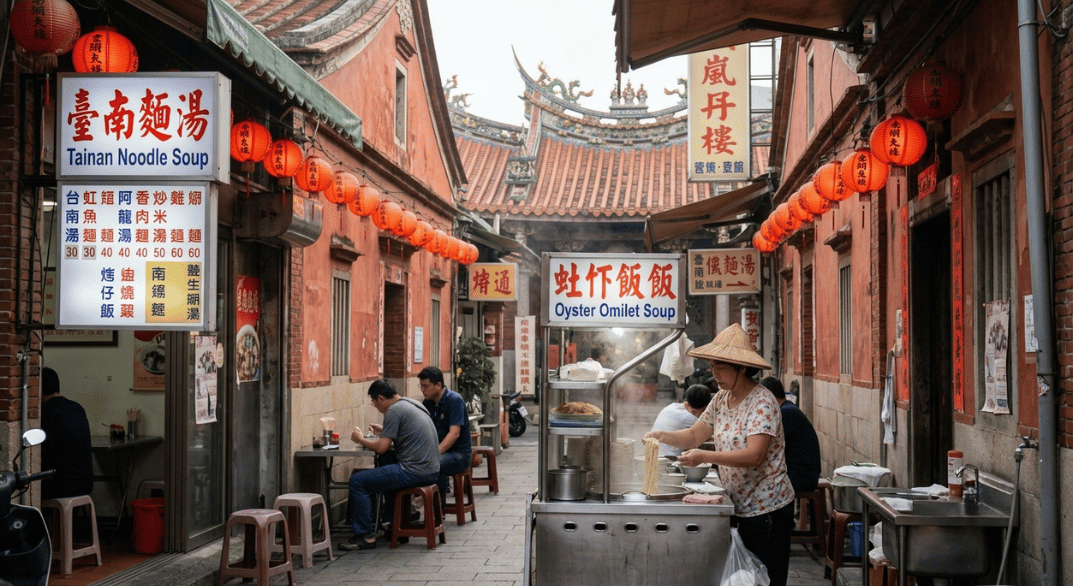
Taipei earns much of Taiwan's attention, but Tainan offers a more intimate way to experience the island's food culture, temples, and layered history. It is a city made for unhurried wandering, from morning markets to small noodle shops and traditional courtyard homes. Travelers who want big-city conveniences without a big-city pace may find it especially compelling.
Taiwan is generally easy to navigate, but summer heat and humidity can be intense. Tainan also rewards travelers who are comfortable using translation tools and local transit rather than expecting every interaction to happen in English. For digital nomads and prospective expats, it offers a useful look at daily life beyond a capital-city bubble.
3. Salalah, Oman
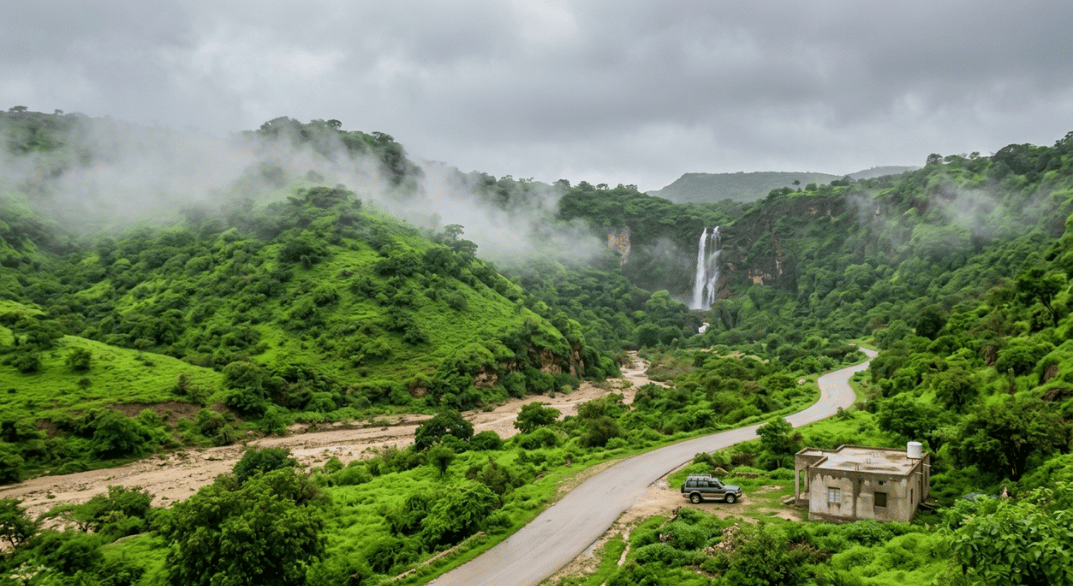
Khareef (Monsoon) season in Salalah
Salalah feels unlike the desert image many Americans associate with the Gulf. In the khareef season, usually from late June into early September, monsoon mist turns the surrounding hills green and fills seasonal waterfalls. Outside that period, the area offers beaches, frankincense history, and a quieter coastal atmosphere.
Oman is a strong choice for culturally respectful travelers who prefer calm over nightlife. Dress conservatively, learn basic local etiquette before you arrive, and do not assume the norms of Dubai apply here. Renting a car gives you much more freedom, but road distances and summer heat make realistic planning essential.
4. Gjirokastër, Albania
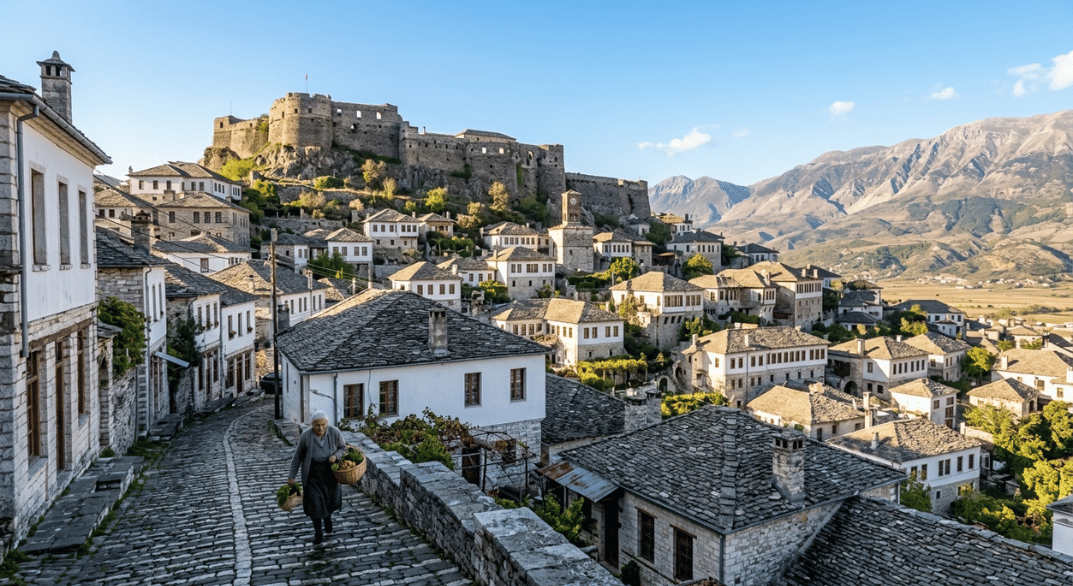
Stone-roofed homes climb the hills beneath Gjirokastër's fortress, creating one of the Balkans' most distinctive settings. Yet the town still feels lived in rather than polished for visitors. It makes a memorable base for exploring southern Albania, including mountain villages, local farms, and the nearby ruins of Butrint.
Albania can be a budget-friendly alternative to better-known European destinations, particularly outside peak summer. Infrastructure is improving, but transit schedules and road conditions can be unpredictable. Travelers considering the country for a longer stay should also compare coastal, capital, and inland life, since each offers a very different rhythm.
5. São Tomé and Príncipe
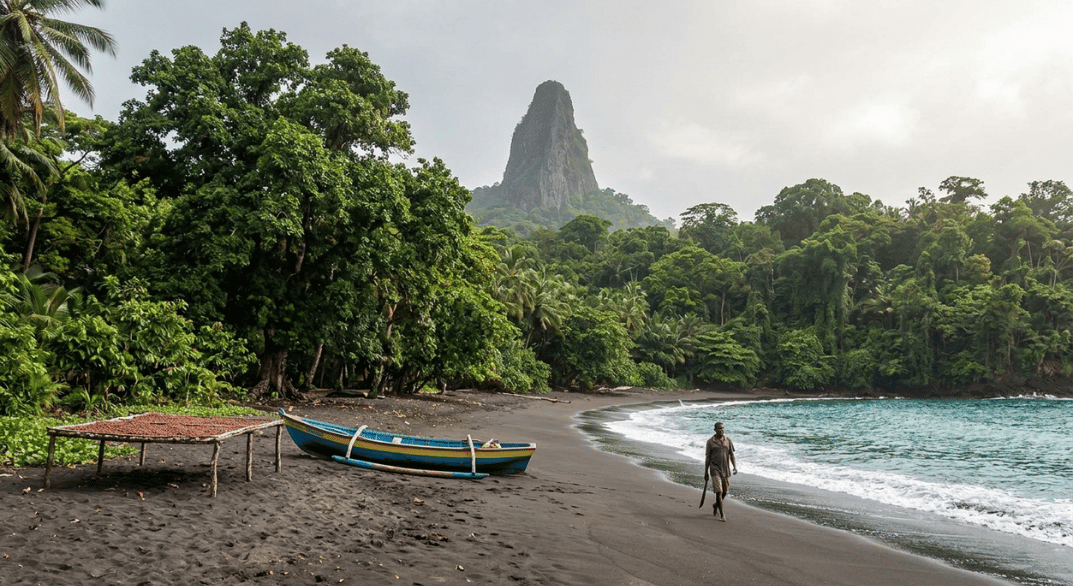
For travelers drawn to island landscapes but tired of resort-heavy experiences, São Tomé and Príncipe offers rainforest trails, cacao plantations, volcanic beaches, and a deeply relaxed pace. The country sits off Central Africa's Atlantic coast, and its small scale makes each conversation and local recommendation feel more personal.
Getting there requires more effort than reaching a Caribbean island, and that is part of the trade-off. Flights can be limited, internet reliability varies, and self-sufficiency matters. But if your idea of a memorable trip includes nature, local food, and unhurried days rather than packed attractions, these islands can feel genuinely special.
6. Bishkek and Lake Issyk-Kul, Kyrgyzstan
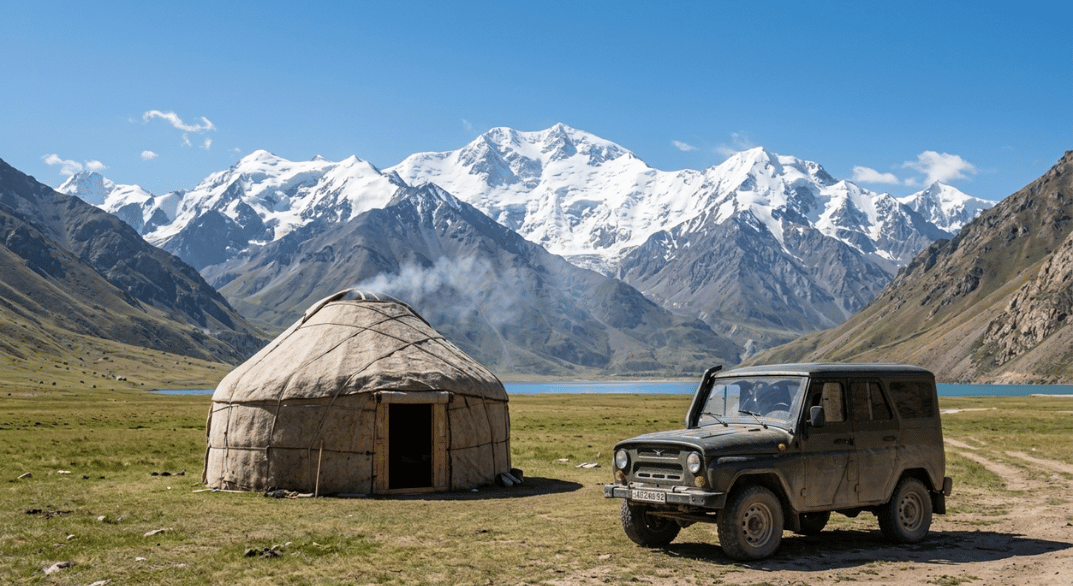
Kyrgyzstan is for travelers who want wide-open landscapes and a stronger sense of adventure without giving up city comforts entirely. Start in Bishkek, where leafy streets, Soviet-era architecture, and lively markets provide context before heading toward Lake Issyk-Kul or mountain valleys dotted with yurts in warmer months.
This is not a plug-and-play destination. Transportation outside major areas can take time, weather changes quickly in the mountains, and independent travel calls for flexibility. In return, you get memorable hiking, opportunities to learn about nomadic traditions, and a destination that feels far removed from standard European vacation routes.
7. The Coffee Region, Colombia
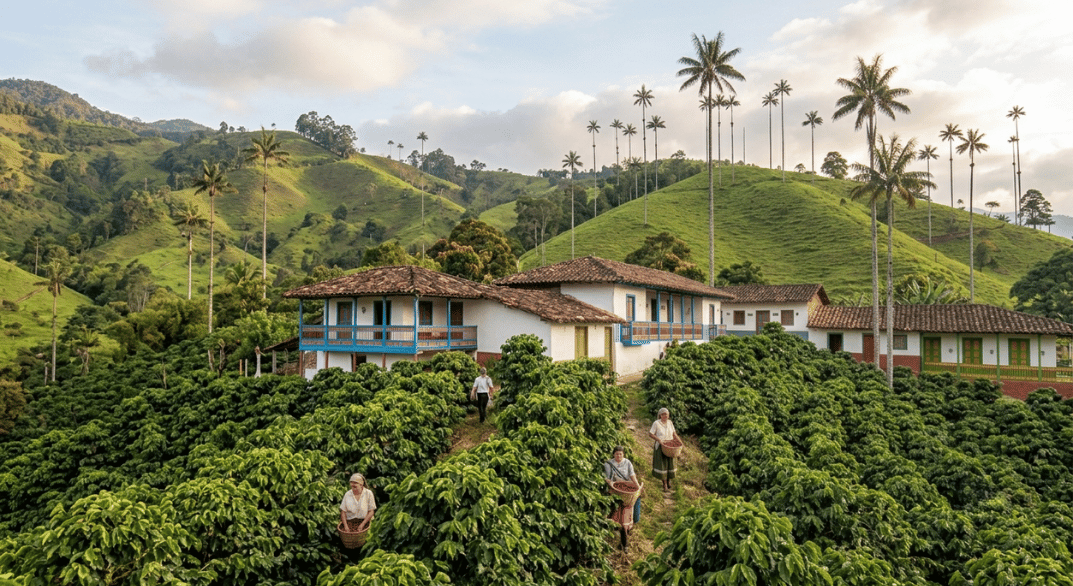
Medellín and Cartagena get much of Colombia's attention, but the smaller cities and countryside of the Coffee Region offer a more relaxed entry point. Salento, Filandia, and Manizales combine mountain scenery, working coffee farms, colorful streets, and a daily pace that encourages you to stay longer than planned.
This region can work well for budget-conscious travelers and remote workers, though it is not free of practical considerations. Weather changes with altitude, Spanish is highly useful, and safety habits still matter. Choose accommodations in well-reviewed areas, use trusted transport, and avoid treating any destination as risk-free simply because it feels welcoming.
8. Ketchikan's Neighbor, Prince Rupert, Canada
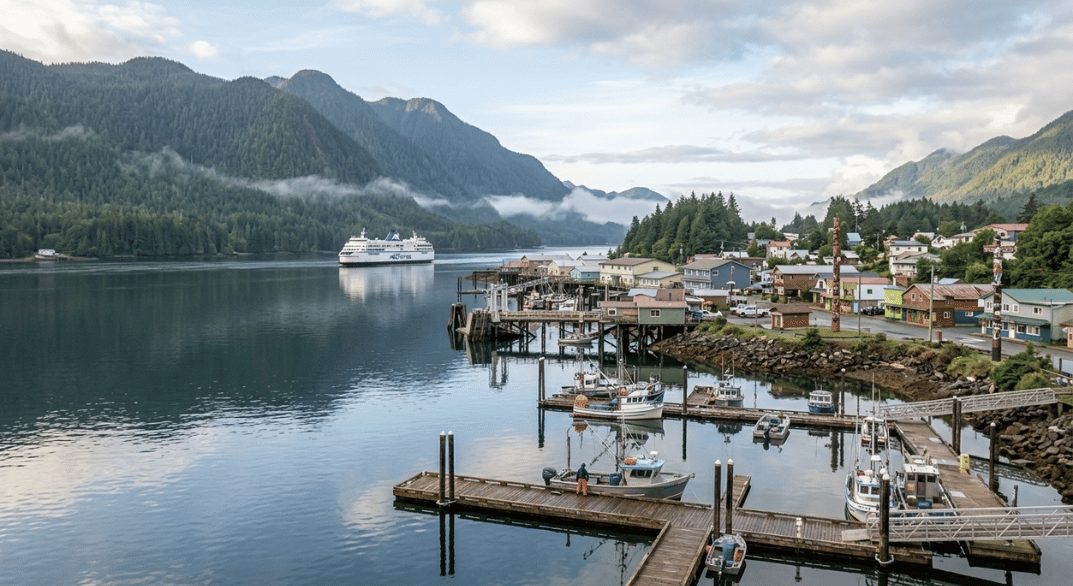
For a North American international option that still feels like a true change of pace, Prince Rupert on British Columbia's northern coast is worth considering. Rainforest, wildlife, Indigenous cultural experiences, and ferry access to remote coastal communities make it a strong choice for travelers who prefer misty landscapes to crowded beach towns.
It is not a low-cost warm-weather escape. The weather is wet, travel logistics can be weather-dependent, and dining and lodging options are more limited than in larger Canadian cities. But for a quieter coastal reset and a deeper appreciation of the Pacific Northwest, those limits are part of the appeal.
Plan Smarter Before You Go Further
Start with the kind of experience you actually want. If you need dependable Wi-Fi and a walkable base for a month of remote work, a small island with limited infrastructure may frustrate you. If you want a week of hiking and cultural immersion, a place with fewer international chains may be exactly right. Off-the-beaten-path travel works best when your expectations are as intentional as your destination choice.
Build in a buffer for arrival and departure days, especially where flights connect through regional hubs or ground transportation runs infrequently. Confirm entry requirements, passport validity rules, local driving requirements, and travel insurance coverage before booking nonrefundable plans. Check current official travel guidance as well, since conditions and visa policies can change.
For trips longer than two weeks, plan one ordinary day. Buy groceries, ride public transportation, visit a residential neighborhood, and test the internet from your accommodation if remote work matters. These simple choices can reveal more about a destination's livability than another packed sightseeing day. They also help you spend money closer to the communities hosting you.
Learn a few phrases in the local language, carry enough local currency for smaller businesses, and ask permission before photographing people or religious spaces. Thoughtful travel is not about being perfect. It is about arriving ready to listen, adapt, and leave a positive footprint.
The right destination is not always the one everyone recognizes. Sometimes it is the place that gives you more time to notice, more reason to ask questions, and a stronger feeling that the world is larger, warmer, and more possible than your usual map suggests.
Frequently Asked Questions
What does "off the beaten path" really mean for American Travelers?
It usually means fewer crowds and less standardized tourism, not hardship. Most destinations in this list have airports, hotels, transportation, and reliable food and water, they simply haven't had every experience shaped around visitors. The main adjustments are longer flight connections, less widely spoken English, and lighter tourist infrastructure.
Are these destinations actually cheper than mainstream travel?
Often yes on the ground; Albania, Kyrgyzstan, Colombia's Coffee Region stretch a budget well. But airfare can offset those savings, and places like Montenegro's coast get expensive in summer. Traveling in shoulder season is usually the biggest single cost lever.
When is the best time to visit each location?
Timing matters more here than in the mainstream destinations. Montenegro is best in late spring or early fall; Salalah's green khareef season runs late June into early September; Kyrgyzstan's mountain valleys and yurt stays are warm weather only; Tainan is hot and humid in the summer; Prince Rupert is wet most of the year.
Which of these locations work well for remote work or a longer stay?
Tainin, the Coffee Region, and Montenegro are the strongest candidates with walkable bases, decent connectivity, and real neighborhoods to settle into. São Tomé and Principe and rural Kyrgyzstan are harder, since internet reliability varies. Test your accomodation's Wi-Fi on day one before committing to a month.
Do I need to speak the local language?
You'll manage with translation apps in most of these places, but a little effort changes the trip. Spanish is close to essential in Columbia's Coffee Region, and Tainan rewards travelers comfortable using translation tools and local transit rather than expecting English everywhere.