Cape Town Travel Guide: Top Attractions and Expat Tips
Affiliate Disclosure: Some of the links on this site are affiliate links. If you click on one and make a purchase, we may earn a commission at no additional cost to you. We only recommend products and services that we believe will be useful to our readers, and affiliate relationships never influence our opinions or the content we publish.
Cape Town, South Africa, is one of those destinations that makes you wonder how one city can offer so much. Picture dramatic mountains rising above the Atlantic Ocean, colorful neighborhoods filled with history, beautiful beaches, world-class vineyards, and a food scene that reflects centuries of cultural influences.
Known as the Mother City, Cape Town offers something for nearly every kind of traveler. You can spend the morning hiking Table Mountain, enjoy lunch overlooking the ocean, explore historic streets in the afternoon, and finish the day watching the sunset with a glass of South African wine.
But Cape Town is more than a beautiful vacation destination. It is also attracting international residents, remote workers, and Americans exploring the possibility of living abroad. Its natural beauty, diverse communities, and international connections make it an interesting option for anyone considering a change of scenery.
Of course, visiting a city and living there are two very different experiences. Cape Town has genuine advantages, but understanding its safety concerns, transportation limitations, visa requirements, and everyday realities is essential.
Whether you're planning your first South African adventure or wondering what life in Cape Town might look like, this Cape Town travel guide covers the attractions, cultural experiences, practical travel advice, and relocation considerations worth knowing before you go.
Why Visit Cape Town, South Africa?
Cape Town's appeal begins with its extraordinary geography. Located on South Africa's southwestern coast, the city sits between the Atlantic Ocean and the mountains of the Cape Peninsula.
One common misconception is that the Atlantic and Indian Oceans meet in Cape Town. Their officially recognized geographic boundary is farther southeast, at Cape Agulhas, the southernmost point of Africa.
The city's location creates a striking combination of landscapes. Within a relatively short distance, you can explore mountain trails, sandy beaches, botanical gardens, historic neighborhoods, and vineyard-covered valleys.
Cape Town is also a city of contrasts. Luxury waterfront developments sit alongside communities facing significant economic challenges. Its history includes colonialism, slavery, apartheid, and the ongoing struggle for greater equality.
Understanding these different sides of Cape Town makes a visit more meaningful. Beyond the postcard views, you'll discover a city shaped by resilience, creativity, and a remarkable mixture of cultures.
For first-time visitors, Cape Town Tourism recommends allowing approximately five to seven days to experience the destination without rushing.
Best Things to Do in Cape Town
Experience the Views From Table Mountain

Table Mountain
No Cape Town itinerary feels complete without experiencing Table Mountain.
Rising above the city with its distinctive flat summit, Table Mountain is part of Table Mountain National Park and the Cape Floral Region Protected Areas UNESCO World Heritage Site.
The views from the summit are spectacular. On a clear day, you can see the city center, Atlantic coastline, neighboring mountains, and Robben Island in the distance.
The easiest way to reach the top is the Table Mountain Aerial Cableway. Its rotating cable cars provide panoramic views during the ascent, making the journey almost as memorable as the destination.
If you prefer something more adventurous, hiking trails such as Platteklip Gorge offer a physically demanding alternative. However, don't underestimate the mountain. Weather conditions can change quickly, and some routes are steep and exposed.
A few practical tips can make your visit more enjoyable:
Book cableway tickets through the official website or through a reputable online booking platform.
Check weather conditions before leaving your accommodation.
Wear comfortable shoes and bring a jacket, even during summer.
Carry water and sun protection.
Hike with others and use established routes.
Allow flexibility in your itinerary because strong winds can suspend cableway operations.
The cableway operates only when conditions permit, so checking its official schedule is essential.
Relax on Camps Bay and Clifton Beaches
Cape Town's beaches are among its most recognizable attractions, particularly along the Atlantic Seaboard.
Camps Bay is famous for its white sand, palm-lined promenade, fashionable restaurants, and views of the Twelve Apostles mountain range. It is a popular place to spend an afternoon enjoying the scenery before settling into a beachfront restaurant for sunset.
Nearby Clifton offers four beaches separated by granite boulders. Each has its own atmosphere, with Clifton Fourth Beach particularly popular among families and beachgoers.
However, there's something important to know before jumping into the water: the Atlantic Ocean around these beaches is often surprisingly cold, even when the air temperature is warm.
If swimming is a priority, consider exploring beaches on the False Bay side of the peninsula, where water temperatures are generally more comfortable.
For travelers who prefer relaxing with a view, Camps Bay and Clifton are difficult to beat.
Explore the V&A Waterfront
The Victoria & Alfred Waterfront is one of Cape Town's most popular destinations for shopping, dining, entertainment, and waterfront sightseeing.
Set around a working harbor, the area combines historic maritime buildings with modern restaurants, hotels, shops, and cultural attractions.
You could easily spend several hours here without running out of things to do.
Visit the Cape Wheel for elevated harbor views, browse local crafts, enjoy live entertainment, or stop for a meal overlooking the water.
The Waterfront is also home to the Two Oceans Aquarium, which introduces visitors to marine life associated with southern Africa's coastal ecosystems.
For families, the aquarium offers an educational break from outdoor sightseeing. For couples, the harbor restaurants and evening atmosphere make the Waterfront an appealing place for dinner.
It's also a convenient location for first-time visitors who want restaurants and attractions within walking distance.
Visit the Penguins at Boulders Beach

Boulders Beach
Imagine walking along a beach and spotting penguins resting on the sand or waddling between enormous granite boulders.
At Boulders Beach near Simon's Town, that experience is possible.
The area is home to a protected colony of African penguins, a species facing serious conservation challenges.
Visitors can observe the birds from designated boardwalks, which protect nesting areas while providing excellent viewing opportunities.
The sheltered beach also offers swimming opportunities, although visitors must respect wildlife restrictions and avoid approaching, feeding, or touching the penguins.
Boulders Beach is particularly appealing for families, photographers, and wildlife enthusiasts.
Because the area is managed by South African National Parks, conservation fees apply. Check the official website for current prices and visitor information before arriving at SANParks Boulders Penguin Colony.
Discover Cape Town's History on Robben Island
Cape Town's natural beauty is extraordinary, but understanding its history is equally important.
Robben Island, located offshore in Table Bay, served as a place of imprisonment for political prisoners during apartheid.
Nelson Mandela spent 18 of his 27 years in prison on the island.
Today, Robben Island is a UNESCO World Heritage Site and museum dedicated to preserving this difficult chapter of South African history.
Robben Island guided visits provide insight into apartheid, political resistance, and the country's journey toward democracy.
Tours generally depart from the V&A Waterfront and include ferry transportation, subject to weather and operational conditions.
For anyone interested in history, human rights, or South African society, Robben Island deserves a place on the itinerary.
Official information: Robben Island Museum
Experience Cape Town's Local Culture and Food
Walk Through the Colorful Streets of Bo-Kaap
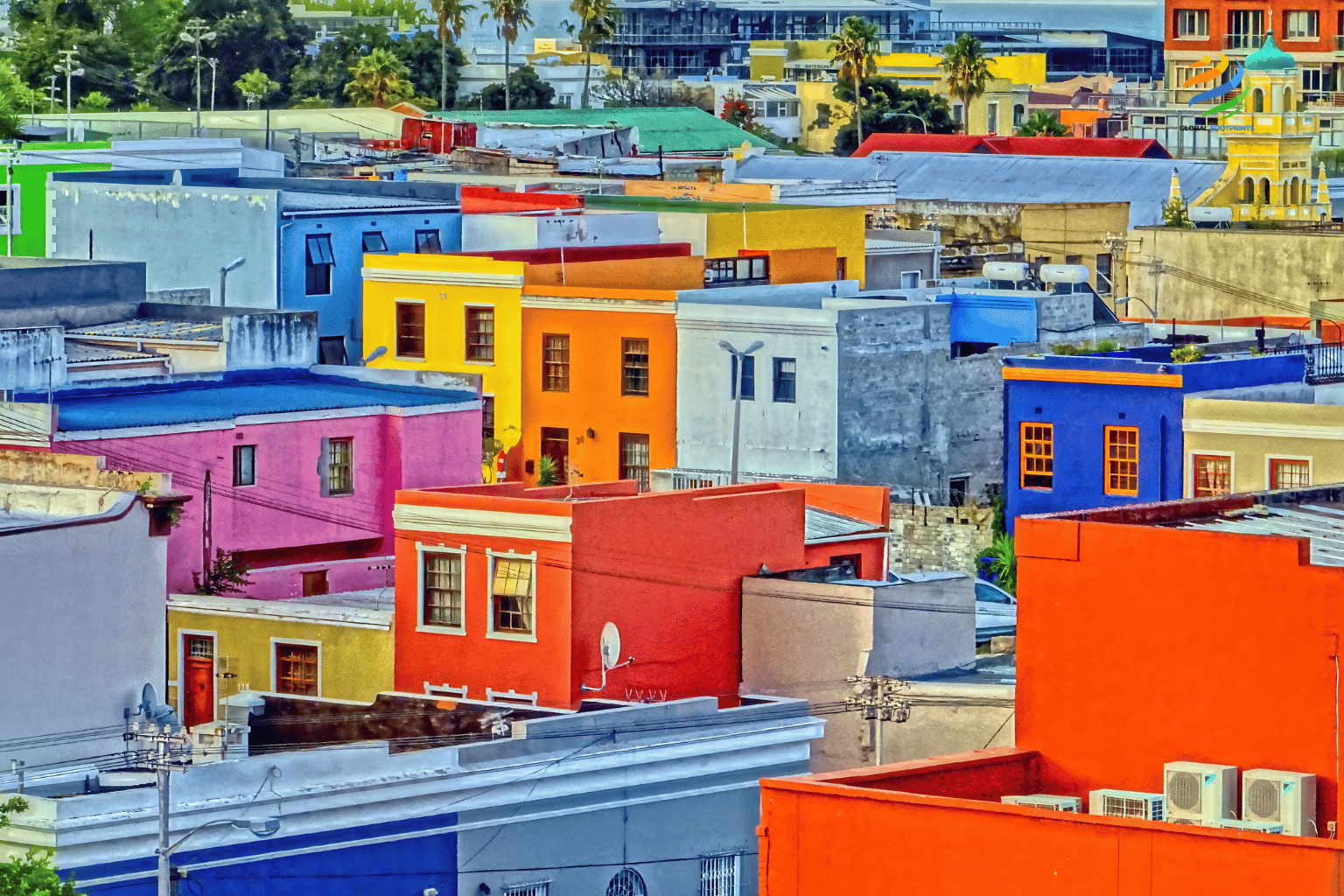
Bo-Kaap District in Cape Town
Bo-Kaap is one of Cape Town's most photographed neighborhoods, known for its brightly painted houses and cobblestone streets.
However, there is much more to this neighborhood than its colorful architecture.
Bo-Kaap has deep connections to Cape Muslim heritage and communities whose ancestors include enslaved people and political exiles brought to the Cape during the colonial period.
The neighborhood's traditions remain visible through its mosques, food, architecture, and community life.
Consider joining a locally guided walking tour to better understand the history behind the streets. Visiting the Bo-Kaap Museum can also provide useful context.
Remember that Bo-Kaap is a residential neighborhood, not simply a tourist attraction. Respect private homes and ask permission before photographing residents.
Taste Traditional Cape Town Cuisine
Cape Town's food culture reflects African, Cape Malay, European, and Asian influences, creating a distinctive culinary landscape.
For travelers who enjoy discovering destinations through food, there are several local specialties worth trying.
Bobotie: A baked dish of seasoned minced meat topped with an egg-based custard, commonly associated with Cape Malay cooking.
Cape Malay curry: An aromatic curry often featuring spices, meat or vegetables, and rice.
Gatsby: A substantial Cape Town sandwich filled with ingredients such as chips, meat, and sauces, traditionally made for sharing.
Koeksisters: Sweet, syrup-coated fried dough, with different preparations across South African communities.
Malva pudding: A warm sponge dessert often served with a rich sauce or custard.
Braai: South Africa's beloved tradition of cooking over an open fire, often bringing friends and family together.
For a broader food experience, explore local markets, neighborhood restaurants, and independent cafés rather than limiting yourself to waterfront dining.
A cooking class focused on Cape Malay cuisine can be another way to learn about the city's cultural history while enjoying traditional dishes.
Cape Town is also known for its contemporary restaurant scene, where chefs frequently incorporate South African ingredients and regional influences into their menus.
Take a Day Trip to the Cape Winelands
One of Cape Town's biggest advantages is how easily you can escape the city for a completely different experience.
The Cape Winelands, particularly Stellenbosch and Franschhoek, offer beautiful landscapes, historic wine estates, and excellent restaurants.
Stellenbosch: Wine, History, and Mountain Views
Approximately an hour from central Cape Town under favorable traffic conditions, Stellenbosch is one of South Africa's best-known wine-producing regions.
Its historic center features oak-lined streets, Cape Dutch architecture, galleries, cafés, and restaurants.
Surrounding vineyards produce a variety of wines, including Cabernet Sauvignon, Chenin Blanc, and Pinotage.
Many estates offer tastings, cellar tours, and food pairings.
Even if wine isn't your primary interest, the scenery and historic architecture make Stellenbosch worth visiting.
Franschhoek: A Food and Wine Destination
Franschhoek, whose name means French Corner, is another beautiful destination in the Cape Winelands.
Surrounded by mountains and vineyards, the town is particularly well known for its restaurants, boutique accommodation, and wine estates.
Visitors can enjoy tastings, leisurely lunches, and scenic countryside views.
The Franschhoek Wine Tram is a popular option for exploring participating estates without driving between every stop.
If you're planning to sample wines, arranging a guided tour or designated transportation is the sensible choice.
For travelers with additional time, staying overnight in the Winelands allows a more relaxed experience than trying to visit multiple estates in a single afternoon.
Best Time to Visit Cape Town
Cape Town is a year-round destination, but the best time to visit depends on what you want to experience.
Summer: December to February
Summer brings warm temperatures, long daylight hours, and excellent opportunities for beach activities and outdoor dining.
It is also peak tourist season, particularly around Christmas and New Year's.
Expect popular attractions to be busy and accommodation prices to rise during major holiday periods. Strong coastal winds can also affect beach days and outdoor excursions.
Autumn and Spring: March to May and September to November
For travelers who prefer fewer crowds and generally milder weather, autumn and spring are excellent options.
These seasons are especially appealing for hiking, sightseeing, wine tasting, and exploring Cape Town's neighborhoods.
Weather can be variable, so packing layers is a good idea.
Winter: June to August
Cape Town's winter is cooler and wetter, making it less predictable for beach vacations.
However, winter can be attractive for travelers interested in museums, restaurants, wine estates, and quieter sightseeing experiences.
The surrounding countryside becomes greener after seasonal rainfall, and accommodation may be less expensive outside major events.
For most first-time visitors, March, April, October, and November offer a particularly appealing balance of weather, activities, and crowds.
Getting Around Cape Town
Cape Town is spread across a large metropolitan area, so choosing the right transportation can significantly affect your experience.
Unlike some European cities, Cape Town is not a destination where visitors can comfortably rely on walking and public transportation for every activity.
Public Transportation and Ride-Sharing
The MyCiTi bus network serves selected areas, including parts of the city center and Atlantic Seaboard.
It can be useful for budget-conscious travelers staying near established routes, although it does not cover every attraction or neighborhood.
Ride-sharing services such as Uber are another option for traveling between restaurants, hotels, and popular destinations.
Always confirm the driver's identity, vehicle details, and license plate before entering.
Renting a Car
Renting a car provides greater flexibility, particularly if you plan to explore the Cape Peninsula, Stellenbosch, or Franschhoek.
South Africans drive on the left side of the road, which may take some adjustment for American visitors.
For first-time visitors, a practical approach is to use ride-sharing services for city activities and rent a vehicle or arrange guided transportation for longer excursions.
Is Cape Town Safe for Tourists?
Safety deserves serious consideration when planning a trip to Cape Town.
The city offers exceptional experiences, but crime is a significant concern, including theft, robbery, carjacking, and violent crime.
The U.S. Department of State advises Americans to exercise increased caution when visiting South Africa.
This doesn't mean travelers should automatically avoid Cape Town. It means choosing accommodation carefully, understanding local risks, and taking precautions beyond those you might use in a lower-crime destination.
Practical safety recommendations include:
Avoid walking alone, particularly after dark.
Use reputable transportation services instead of walking through unfamiliar neighborhoods.
Keep expensive jewelry, cameras, and other valuables discreet.
Avoid leaving bags or electronics visible inside parked vehicles.
Use established hiking routes and avoid hiking alone.
Ask accommodation staff about local areas and routes to avoid.
Research neighborhoods carefully before booking accommodation.
Avoid visiting informal settlements without a knowledgeable local guide.
For Americans, the U.S Department of State’s South Africa travel advisory provides detailed safety guidance.
Safety should also be part of any relocation decision. A neighborhood that looks appealing online may have different security considerations after dark or during daily commuting.
Living in Cape Town: What Expats Should Know
For travelers who fall in love with Cape Town, the next question is often whether living there could become a realistic possibility.
Cape Town has an established international community, private healthcare facilities, educational options, and a growing remote-work environment.
However, everyday life involves considerations that are easy to overlook during a vacation.
Cost of Living and Housing
Cape Town can offer favorable value for people earning in stronger foreign currencies, but it would be misleading to describe the entire city as inexpensive.
Housing costs vary significantly depending on the neighborhood, property type, security arrangements, and proximity to the coast.
Popular areas such as Sea Point, Green Point, and Camps Bay may command substantial rental premiums.
Before signing a long-term lease, research the neighborhood's security, transportation, electricity arrangements, internet reliability, and proximity to essential services.
Healthcare, Schools, and Infrastructure
Cape Town has public and private healthcare services, although access, waiting times, and costs differ considerably.
Expats often investigate private medical insurance and healthcare networks before relocating.
Families should also research school admissions early. The city offers public, private, and international educational options, including schools with international curricula.
Infrastructure is another important consideration. South Africa has experienced electricity supply disruptions, commonly known as load shedding, although conditions can change over time.
For remote workers, asking whether accommodation has backup power and dependable internet is sensible.
A scouting trip is one of the best ways to determine whether Cape Town's daily realities match your expectations.
South Africa Visa Requirements for Americans and Digital Nomads
Tourist Visas for U.S. Citizens
According to the South African Embassy, U.S. passport holders generally do not need a visa for tourism visits of 90 days or less.
Travelers must still meet entry requirements, including passport validity and any applicable immigration conditions.
A tourist admission should not be treated as authorization to take local employment or establish permanent residence.
Before departure, confirm current requirements with the South African Embassy.
South Africa's Remote Work Visa
South Africa introduced a remote-work visa category for qualifying foreign nationals working for employers outside the country.
Under the published Department of Home Affairs requirements, this category can accommodate stays exceeding three months and up to three years, subject to approval.
The official application guidance specifies a minimum gross annual salary equivalent to R650,796, along with documentation such as a valid foreign employment contract and financial records.
Tax obligations require separate attention. Depending on the duration of residence and applicable tax treaties, remote workers may have South African registration or reporting responsibilities.
Importantly, the remote-work visa is not automatically a permanent residency pathway, and eligibility should never be assumed simply because someone earns income online.
Requirements and implementation procedures may change, so prospective applicants should verify the latest rules directly with the authorities.
Official sources: Department of Home Affairs remote-work visa requirements and South African Department of Home Affairs.
For Americans seriously considering relocating, researching visa eligibility, taxation, healthcare, housing, and financial requirements before making commitments is essential.
Practical Cape Town Travel Tips for First-Time Visitors
A little preparation can make your first trip considerably easier.
Currency: South Africa uses the South African rand (ZAR). Card payments are widely available in many tourist areas, but carrying a modest amount of local currency is recommended.
Language: South Africa has multiple official languages. English is widely used in tourism and business, while Afrikaans and isiXhosa are also commonly spoken in Cape Town.
Electricity: Bring an adapter compatible with South African outlets, particularly Type M and Type N.
Travel insurance: Choose coverage that includes medical emergencies, trip disruptions, and your planned activities.
Weather: Pack layers. Coastal winds and mountain conditions can change quickly.
Airport transfers: Arrange reputable transportation before arriving, especially after dark.
Trip duration: Allow at least five to seven days if you want to explore the city and surrounding attractions comfortably.
Is Cape Town Worth Visiting or Moving To?
Cape Town is one of those rare destinations where the landscape alone can justify the journey, but the experiences beyond the scenery make it memorable.
You can admire the Atlantic Ocean from Table Mountain, watch African penguins along the Cape Peninsula, explore neighborhoods shaped by centuries of history, and discover exceptional food and wine within a relatively small geographic area.
For travelers, Cape Town offers an impressive combination of adventure, culture, relaxation, and natural beauty.
For prospective expats, it presents a more complicated but potentially rewarding opportunity. The international community, lifestyle possibilities, and access to nature are attractive, but safety, housing, immigration requirements, and infrastructure deserve careful research.
Thinking about making Cape Town or another international destination your new home? Planning an overseas move involves much more than choosing a country. From researching visa requirements and estimating relocation costs to organizing important documents and preparing for everyday life abroad, there is plenty to consider. The Moving Abroad Planner from Global Footprints Abroad is an interactive digital resource designed to help you organize each stage of your relocation. With practical checklists, budgeting tools, and planning worksheets, it helps you turn the idea of living abroad into a structured, manageable plan.
The best approach is to experience Cape Town with an open mind and realistic expectations. Enjoy its beauty, engage with its communities, learn about its history, and look beyond the tourist attractions.
Whether your journey lasts one week or becomes the beginning of a longer chapter abroad, Cape Town is a destination worth exploring thoughtfully.
And if you're considering making South Africa your next home, start with a scouting trip. Sometimes the best way to determine whether a destination is right for you is to experience what an ordinary day there actually feels like.