Day of the Dead in Mexico: A Complete Guide to Día De Los Muertos
Dia de los Muertos, or Day of the Dead, transforms Mexico into a canvas of vibrant colors, aromatic marigolds, and heartfelt remembrance each November. This UNESCO-recognized celebration is Mexico’s most captivating tradition, where death and life dance together in a spectacular display of culture, food, and family bonds.
What is Day of the Dead?
Day of the Dead in Mexico is not Halloween. While Halloween courts fear, Día de los Muertos embraces memory and joy. From October 31 to November 2, Mexican families create elaborate altars, cook beloved recipes, and welcome departed souls home with marigold petal paths and flickering candles. It’s a reunion celebrations where grief wears party clothes.
This ancient traditions blends Indigenous Mesoamerican beliefs with Catholic influences, creating something uniquely Mexican. UNESCO has recognized Day of the Dead as an Intangible Cultural Heritage, calling it a “defining expression of Mexican culture.”
The Rich History of Día de los Muertos
The roots of Day of the Dead stretch deep into pre-Columbian Mexico. Aztec, Maya, and Purépecha cultures viewed death as part of life’s natural cycle, not an ending. When Spanish conquistadors arrived in the 16th, they brought Catholic traditions like All Saints’ and All Souls’ Days.
Rather than replacing Indigenous customs, the belief systems wove together beautifully. Today, you’ll see this cultural fusion everywhere: rosaries beside copal incense, papel picado above crucifixes, and bottles of Coca-Cola sharing altar space with traditional pan de muerto.
When is Day of the Dead Celebrated?
Day of the Dead unfolds over three meaningful days:
October 31- All Saints’ Eve Families transform tables into ofrendas (altars), placing framed photographs, clustering candles, and creating marigold petal trails from street to doorway. The first invitation to departed souls is sent.
November 1 - Day of the Little Angels This tender day honors children who have passed. Families place small cups of milk, white flowers, sugar biscuits, and tiny toys on altars. Church bells ring softly through cool evening air.
November 2 - Day of the Faithful Departed The celebration reaches full bloom. Cemeteries become gardens of light as families gather with tamales, atole, and stories. Candles burn until white marigold “rivers” guide spirits home.
Essential Day of the Dead Symbols and Traditions
Cempasúchil (Marigolds) These electric flowers are memory’s GPS. Their vibrant petals create paths for spirits, while their distinctive scent guides souls back to family altars.
La Catrina Mexico’s elegant skeleton lady reminds us that death is the ultimate equalizer. Created by artist José Guadalupe Posada, she appears everywhere during Day of the Dead.
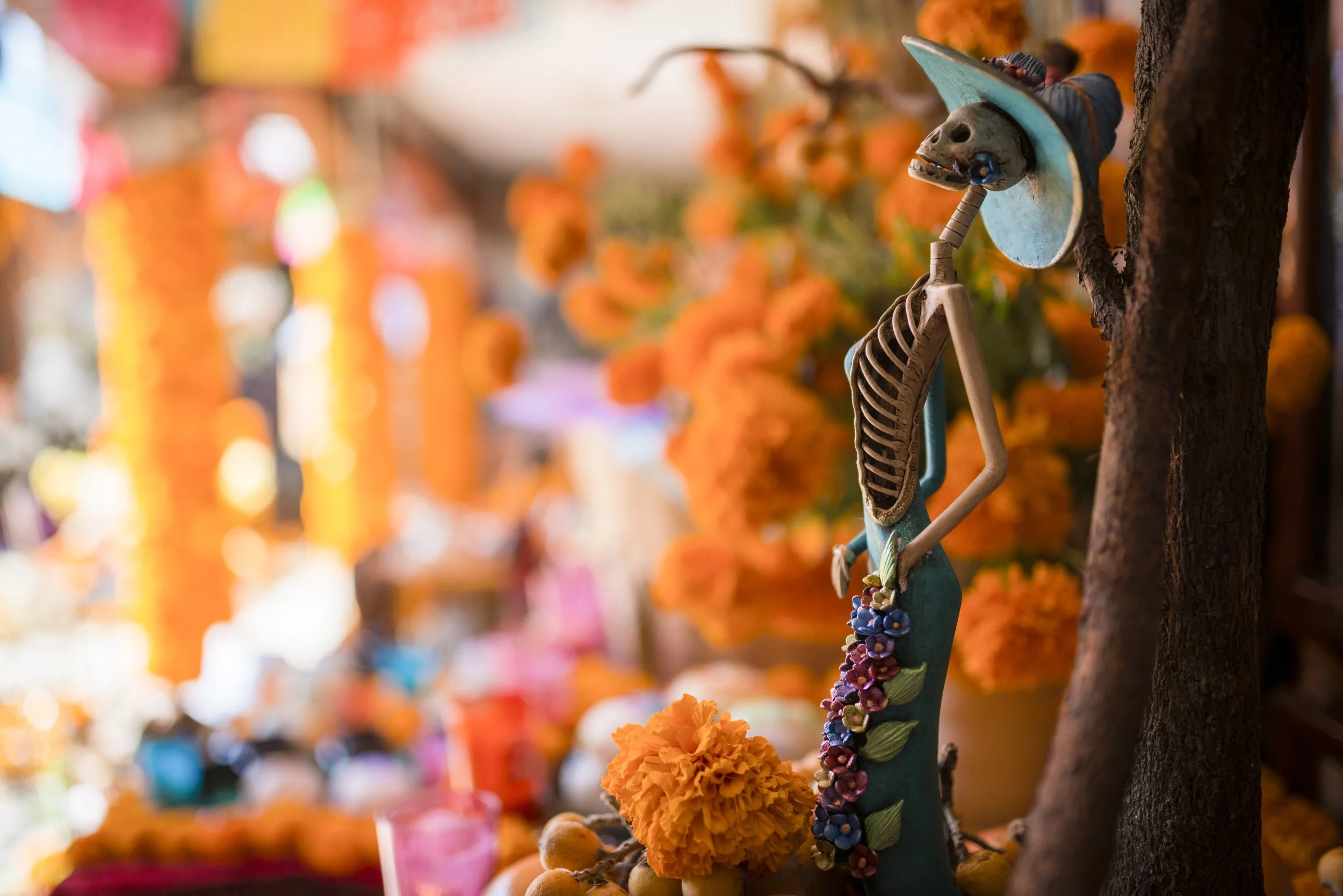
Ofrendas (Altars) These tiered shrines welcome spirits home. The top tier displays photographs and religious images, the middle layer holds favorite foods and drinks, and the bottom tier glows with candles and personal mementos.
Alebrijes and Spirit Guides These colorful fantasy creatures serve as spiritual companions. Some regions also feature xoloitzcuintli (hairless dogs) as traditional soul guides.
Best Places to Experience Day of the Dead in Mexico
Oaxaca
Oaxaca City offers an authentic Day of the Dead experience with comparsas (brass band parades), elaborate street altars, and stunning tapetes de arean (sand tapestries). Villages like Xoxocotlán feature candlelit cemeteries vigils lasting until dawn.
Pátzcuaro and Lake Pátzcuaro
This Purépecha heartland offers the most spiritual Day of the Dead experience. Hundreds of candles illuminate boat journeys to Janitzio Island, where families maintain cemetery vigils through the night.
Aguascalientes
The Festival de las Calavaras turns this city into a carnival of parades, concerts, and theatrical performances, perfect for travelers seeking festive energy.
Mexico City
The capital creates a citywide spectacle with massive parades down Avenida Reforma, museum exhibitions, and neighborhood ofrendas throughout Roma, Condesa, and Coyocán districts.
Merida, Yucatán
Called Hanal Pixán (“food for souls”), Yucatecan celebrations center around pib, a tamal-like dish cooked in underground pits and wrapped in banana leaves.
Traditional Day of the Dead Foods
Food serves as bridge between worlds during Día de los Muertos. Every dish carries meaning and memory.
Pan de Muerto This orange blossom-scented bread topped with bone-shaped dough and sugar is the holday’s signature treat, perfect for dunking hot chocolate.
Sugar Skulls (Calaveras de Azúcar)Colorful and playful, these sweet skulls often bear loved ones’ names, making even dessert personal.
Savory Specialties Tamales wrapped in corn husks, complex mole sauces, and steaming pozole (hominy soup) provide hearty comfort during long vigils.
Warming Drinks Atole (corn-based drink) and champurrdo (chocolate atole) warm souls during chilly cemetery nights.
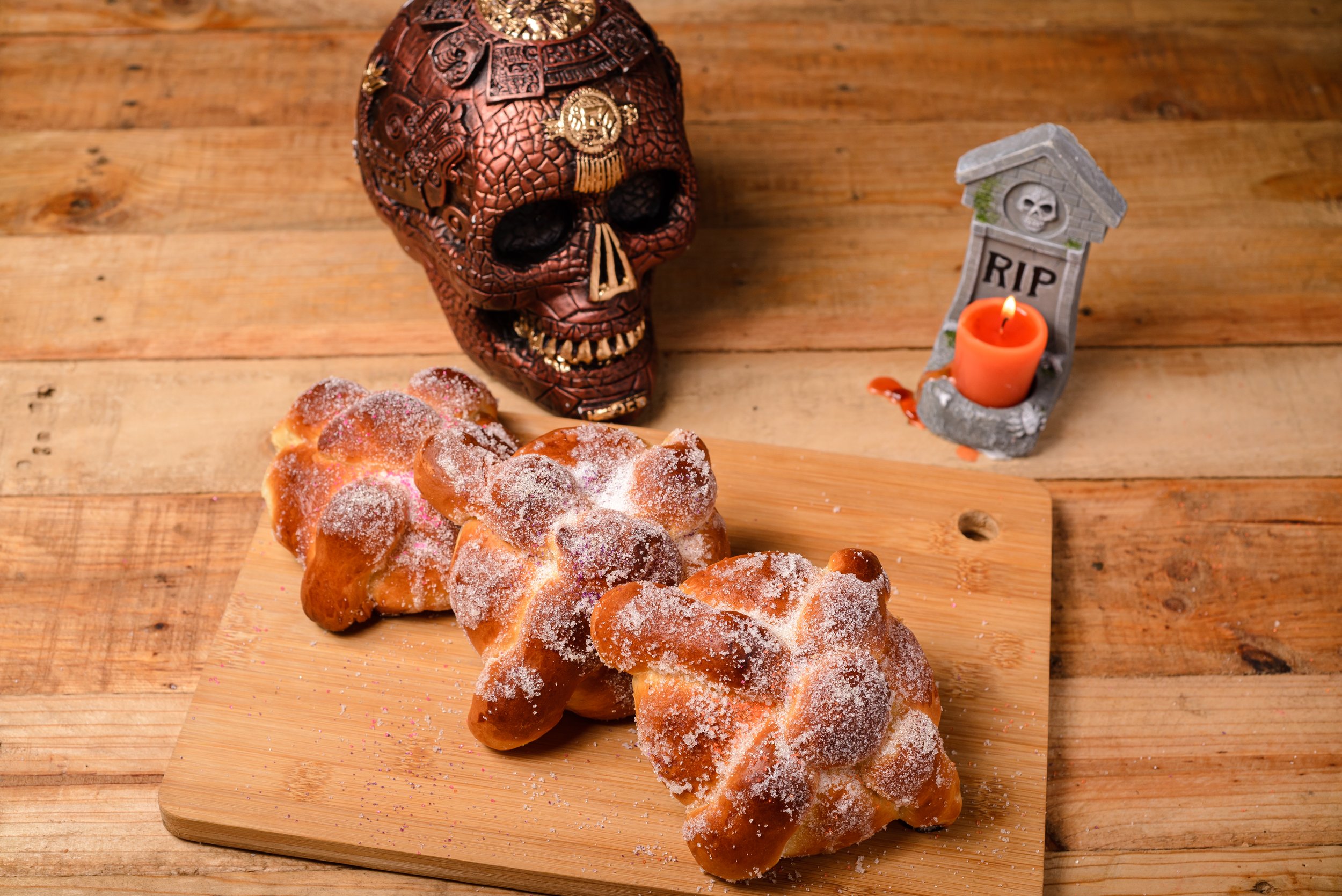
Pan de Muerto
Day of the Dead Travel Tips and Etiquette
Respectful Participation In cemeteries, walk slowly and speak softly. Always ask permission before photographing people or private altars. Never step on graves or marigold petal trails.
What to Wear Dress modestly and comfortably. Sturdy shoes work best on cobblestone streets, and layers help during cool November nights.
Photography Guidelines Use natural light when possible and avoid flash in solemn settings. Respect “no photo” requests with grace and gratitude.
Planning Your Visit Book accommodations well in advance, especially in popular destinations like Oaxaca and Pátzcuaro. Carry cash for local vendors, flowers, and traditional foods.
Immerse Yourself in Day of the Dead Culture
Learning about Day of the Dead traditions enhances your Mexico travel experience. Consider exploring cultural activities like our Día de los Muertos Word Search, which offers engaging ways to discover holiday vocabulary, symbols, and traditions before your trip.
Planning your Day of the Dead Journey
Day of the Dead in Mexico offers travelers an unforgettable cultural immersion. Whether you choose Oaxaca’s artistic celebrations, Mexico City’s grand parades, or Pátzcuaro’s spiritual vigils, you’ll witness a tradition that celebrates life through remembrance.
This extraordinary holiday transforms Mexico each November, creating moments where the past and present embrace a colorful, aromatic, and deeply moving celebrations. Come with respect, open hearts, and empty stomachs, Día de los Muertos will fill the all.