Top 10 Etiquette Rules in Morocco: Your Cultural Guide to Respectful Travel
Morocco is a land of incredible hospitality, rich traditions, and deeply-rooted cultural values. As a visitor to this North African kingdom, understanding and respecting local customs will not only enhance your travel experiences but also show appreciation for the warm Moroccan people who welcome millions of travelers each year. Here are the essential etiquette rules that will help you navigate Morocco with grace and cultural sensitivity.
1. Master the Art of Respectful Greeting
In Morocco, greetings are more than mere pleasantries, they are an essential part of social interaction. The traditional Islamic greeting “As-salamu alaykum” (Peace be upon you) is widely used, with the appropriate response being “Wa alaykum as-salaam” (And upon you, peace).
For visitors, a simple “Salam” works well, along with the Arabic “Labas?” (How are you?). When greeting someone of the same gender, a handshake is appropriate, often accompanied by placing the right hand over the heart as a sign of sincerity. However, avoid initiating physical contact with member of the opposite gender unless they extend their hand first.
Pro tip: Take time with greetings as rushing through them is considered rude. Moroccans often inquire about family, health, and general well-being as part of the greeting process.
2. Dress Modestly to Show Respect
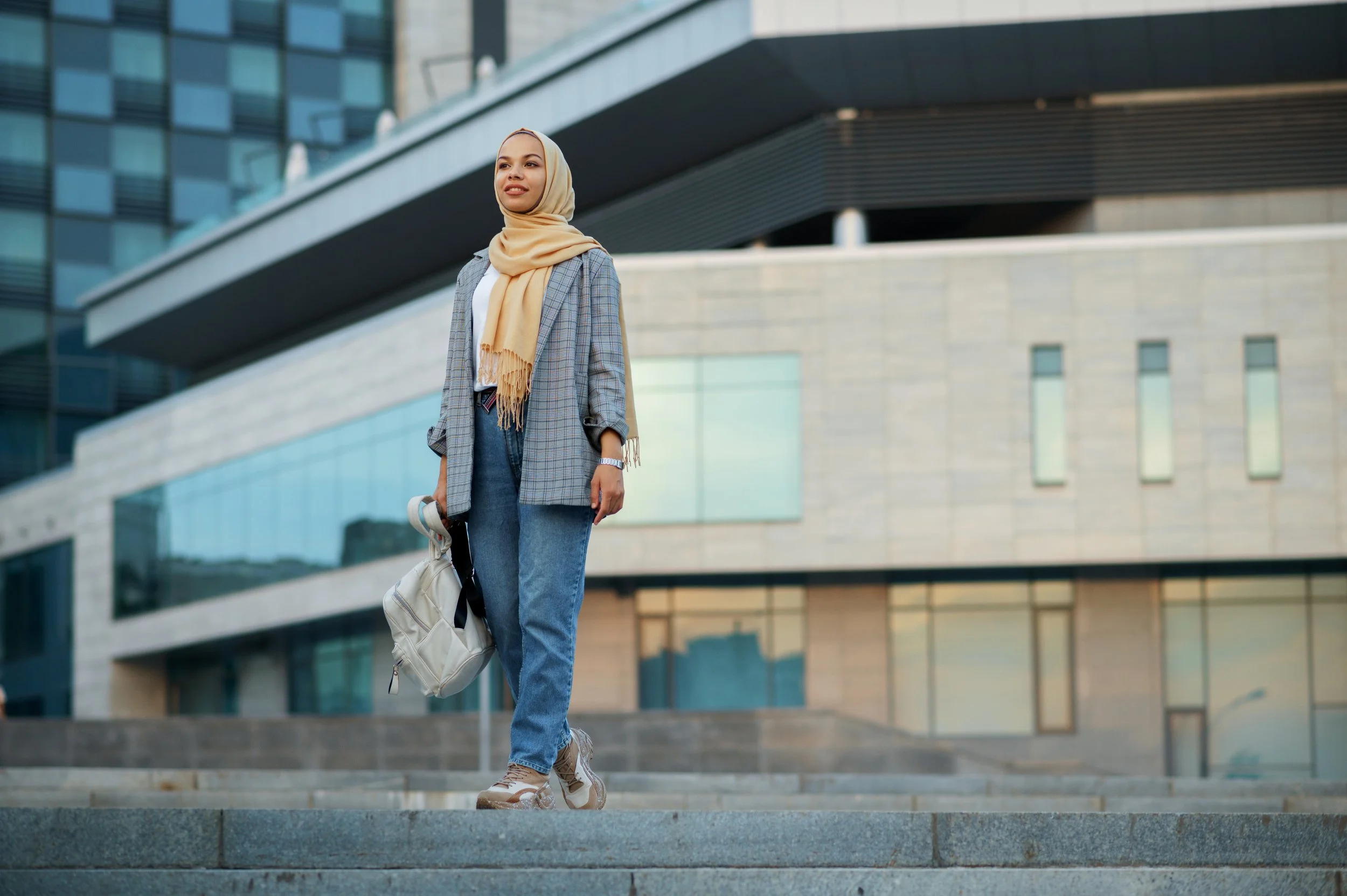
The Muslim concept of modest dress requires women to be covered from wrist to ankle, and men from shoulder to below the knee, especially in rural areas and religious sites. While tourist areas in major cities like Marrakech are more relaxed, respecting local dress codes demonstrates cultural awareness.
For women:
Cover shoulders, arms, and legs in public spaces
Avoid tight-fitting or revealing clothing
Carry a scarf or shawl for covering when visiting mosques or conservative areas
Swimwear is only appropriate at beaches, pools, or hammams
For men:
Wear longer pants rather than shorts, especially in rural areas
Keep shoulders covered
Remove hats when entering religious sites
Remember: Your clothing choices can significantly impact how locals interact with you and the level of respect you receive.
3. Use Your Right Hand for Everything Important
In Islamic culture, the left hand is traditionally associated with personal hygiene and is considered impure. This makes right-handed etiquette crucial in Morocco:
Always eat with your right hand - this is especially important when sharing communal dishes
Give and receive items with your right hand - including money, business cards, and gifts
Shake hands with your right hand
Point with your right hand when giving directions
If you are left-handed, make a conscious effort to use your right hand for social interactions. Moroccans understand that some visitors may forget, but making the effort shows respect for their customs.
4. Navigate Public Displays of Affection Carefully
Public displays of affection between couples, including kissing, hugging, or holding hands, are generally frowned upon and my attract unwanted attention or even police intervention in conservative areas. This applies to both heterosexual and same-sex couples.
Guidelines for couples:
Keep physical affection private
Observe how local couples interact in public (usually very minimal contact)
Save romantic gestures for your hotel room or private spaces
Be especially mindful in rural areas around religious sites
For friends: Light, same-gender physical contact (like hand-holding between female friends) is more acceptable and common among Moroccan friends.
5. Show Proper Respect in Religious Spaces
Morocco is home to stunning mosques, and while most are closed to non-Muslims, you will encounter man religious sites and should always show appropriate respect:
Remove shoes when entering any mosque or religious building
Dress conservatively - long sleeves and pants are essential
Speak in hushed tones and maintain respectful demeanor
Don’t point feet toward the qibla (direction of Mecca)
Photography may be restricted - always ask permission first
Women may need to cover their hair in certain religious contexts
Note: The Hassan II Mosque in Casablanca is one of the few mosques that offers tours to non-Muslims, but strict dress codes and behavior rules apply.
6. Embrace Proper Dining Etiquette
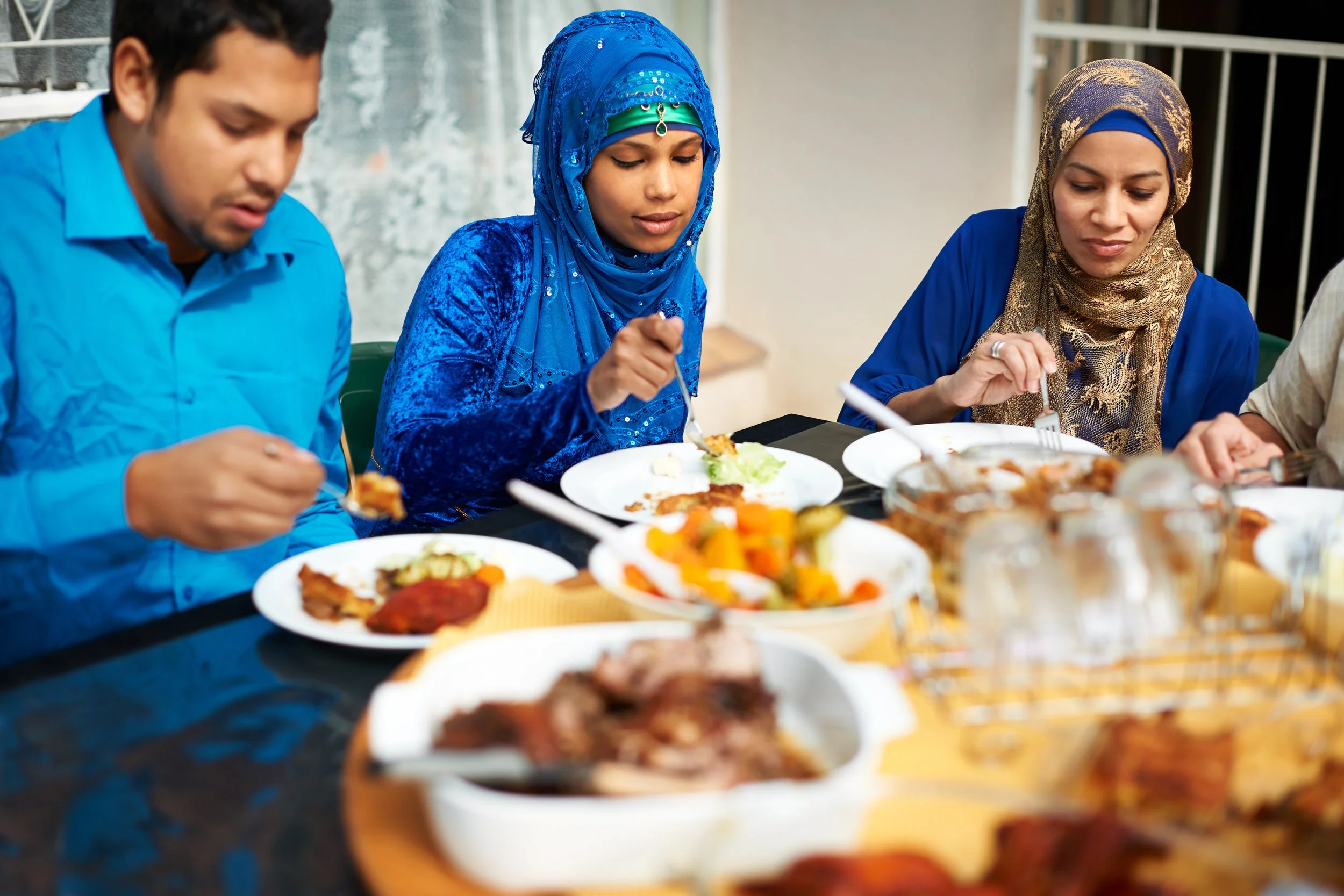
Moroccan dining culture is rich with traditions, and meals are communal affairs that strengthen social bonds. Understanding dining etiquette is crucial:
Basic rules:
Wash you hands before and after meals (often a basin and towels are provided)
Wait for the host to begin eating or say “Bismillah” (In the name of God)
Eat ONLY with your right hand from the section of communal dish closet to you
Use bread as your utensil to scoop up food, don’t reach across the dish
Don’t waste food, take only what you can finish
Accept at least three glasses of mint tea when offered, refusing is considered impolite
Advanced etiquette:
Compliment the host’s cooking
Don’t add salt or seasonings without tasting first
Leave a small amount of food on your plate (without being wasteful) to show you have been well-fed
Don’t use your left hand to pass dishes or eat
7. Navigate Hospitality and Gift-Giving Gracefully
Moroccans are renowned for their incredible hospitality, and you may find yourself invited homes or offered numerous cups of tea. Understanding how to respond appropriately is important:
When invited into a Moroccan home:
Remove your shoes at the entrance
Bring a small gift such as pastries, dates, or something for the children, but avoid alcohol unless you know your host drinks
Dress more conservatively than you might in tourist areas
Compliment the home and show appreciation for the invitation
Be prepared to stay longer than initially planned, rushing away is considered rude
Gift-giving etiquette:
Use both hands when giving and receiving gifts
Gifts should be wrapped nicely
Avoid giving items made from pigskin or alcohol unless certain it is appropriate
Small gifts for children are always appreciated
8. Understand Personal Space and Social Interaction
Moroccan concepts of personal space and social interaction differ from Western norms, and understanding these differences will help you navigate social situations more effectively:
General Guidelines:
Women should be aware that sitting alone in male-dominated cafes or bars may be misunderstood
Same-gender friends often stand closer together than might be comfortable for some Western visitors
Eye contact is important during conversation but should be respectful
Point with your index finger is considered rude, use an open hand instead
Don’t show the soles of your feet when sitting
For female travelers:
Be aware of cultural perceptions and choose your socializing venues carefully
Traveling with companions can help navigate certain situations more easily
Local women can provide valuable insights into appropriate behavior
9. Practice Respectful Photography Etiquette
Photography in Morocco requires sensitivity and awareness of local customs and privacy expectations:
Essential rules:
Always ask permission before photographing people, especially women and children
Respect “no photography” ares, many religious sites, government buildings, and military areas prohibit cameras
Don’t photograph people at prayer or during religious observances
Be discrete when taking photos in markets and crowded areas
Cultural sensitivity:
Some Moroccans believe photographs capture part of their soul
Others are happy to pose but expect fair compensation for their time
Always respect someone’s decision if they decline to be photographed
Delete photos if someone changes their mind after initially agreeing
10. Master the Art of Polite Language and Communication
Politeness is fundamental in Moroccan culture, with people frequently using phrases like “Insallah” (God willing), and “Shukran” (thank you) in casual conversation. Learning basic Arabic phrases shows respect and often leads to warmer interactions.
Essential phrases:
“Inshallah” - God willing (used when discussing future plans)
“Baraka Allah fik” - May God bless you (expression of gratitude)
“Shukran” or “Choukran” - Thank you
“La choukran” - No thank you (polite way to decline)
Communication tips:
Speak more softly than you might at home
Allow for longer pauses in conversation
Show patience when language barriers arise
Use gestures respectfully (avoid point with your finger)
Express gratitude frequently and genuinely
Bonus Tips for Cultural Success
Be patient with different concepts of time: Moroccan time often moves at a different pace than Western expectations. Appoints may start late, and social events can extend longer than planned.
Respect Ramadan traditions: If visiting Ramadan, be aware that many Muslims are fasting from dawn to sunset. Eating, drinking, or smoking in public during daylight hours is inconsiderate.
Understand bargaining culture: Haggling is expected in souks and markets, but approach it with respect and good humor. It is a social interaction, not just a transaction.
Show appreciation for craftsmanship: Morocco’s artisans are skilled craftspeople. Whether buying a rug or admiring tilework, acknowledging the skill and time involved shows cultural appreciation.
Conclusion: Respect Opens Doors
Following these etiquette rules will transform your Moroccan experience from that of a mere tourist to a respectful cultural exchange. Moroccans are incredibly welcoming to visitors who show genuine respect for their customs and traditions. Your efforts to understand and follow local etiquette will be noticed and appreciated, often leading to deeper connections, better experiences, and memories that will last a lifetime. Remember, making mistakes is part of learning. Most Moroccans are understanding of cultural differences and will appreciate your sincere efforts to respect their customs. The key is approaching every interaction with openness, respect, and a genuine desire to understand the rich culture of this remarkable country.
When in doubt, observe how locals behave and follow their lead. Morocco’s beauty lies not just in its stunning landscapes and architecture, but in its people and their enduring traditions. By respecting these customs, you become part of the ongoing story of cultural exchange that has enriched Morocco for centuries.