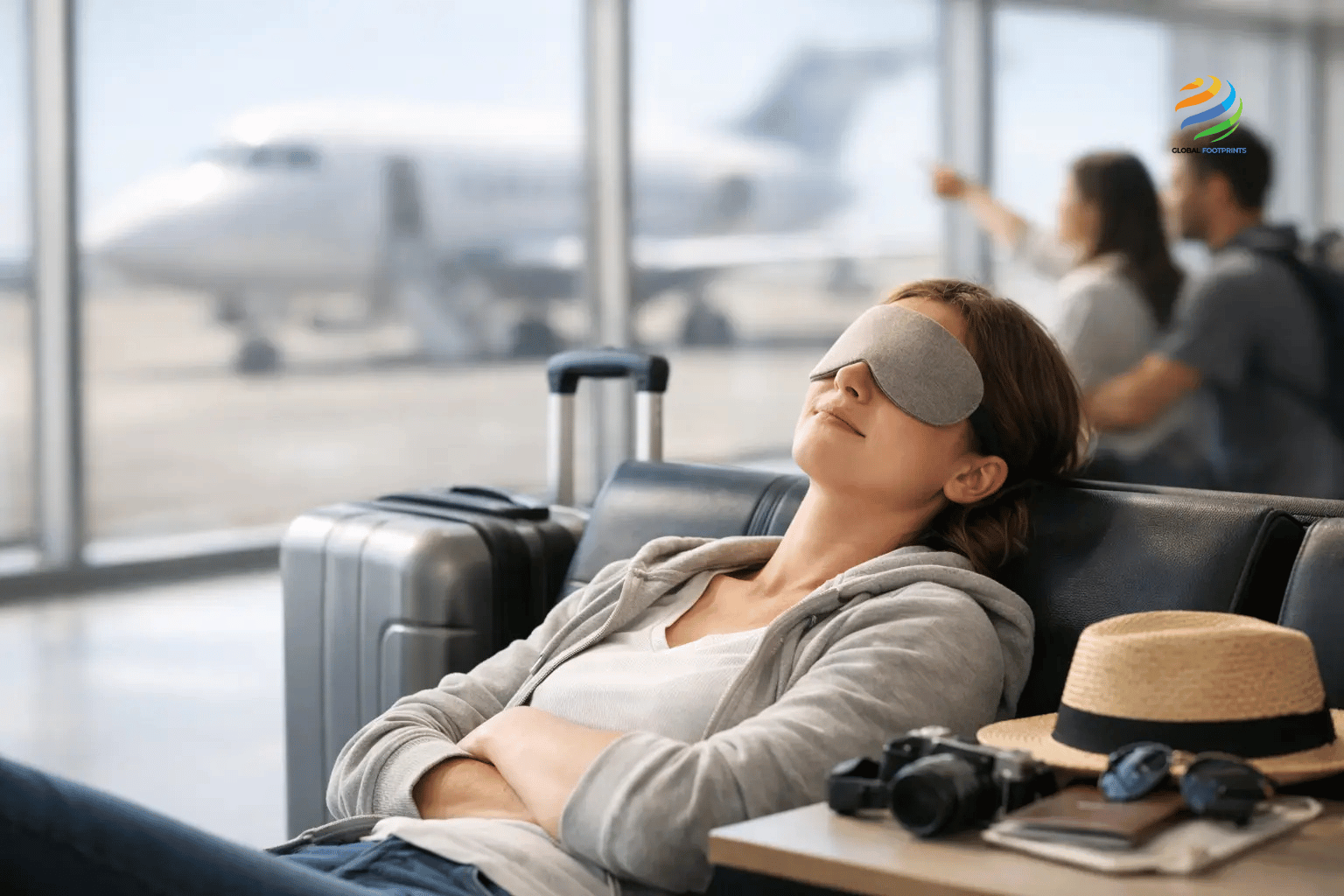
You land in Tokyo, Lisbon, or Buenos Aires with a full day ahead, but your body insists it is the middle of the night. That foggy, restless feeling can make even a long-awaited arrival feel less magical. Learning how to handle jet lag is not about forcing yourself to feel perfect on day one. It is about giving your body smart cues so you can enjoy more of the place you came to see.
Jet lag affects everyone differently. A weekend traveler crossing six time zones may feel it intensely, while a digital nomad moving slowly between destinations may have more flexibility to adjust. Your direction of travel, flight timing, sleep habits, age, stress level, and the demands of your itinerary all play a part. The goal is simple: help your internal clock catch up without sacrificing the experience.
Why Jet Lag Feels So Disruptive
Jet lag happens when your body clock is still operating on your home time while your new destination runs on another schedule. Sleep is the obvious casualty, but the effects can reach further. You may feel hungry at unusual hours, struggle to concentrate, wake up too early, or hit an energy wall just as the city comes alive.
Traveling east is often tougher because you are asking your body to fall asleep earlier than it wants to. Going west can be easier for many people because staying awake a little later tends to feel more natural. Still, a major time change in either direction can take a few days to settle.
That is why an overpacked first day is rarely the best travel plan. A packed schedule may look efficient on paper, but it can leave you exhausted and disappointed. Build your first 24 hours around one or two meaningful experiences, a good meal, and time outdoors. You will see more when you are actually awake enough to take it in.
How to Handle Jet Lag Before You Board
The strongest jet lag plan starts before the airport. If you are crossing several time zones, begin shifting your sleep schedule three or four days before departure. For eastbound travel, move bedtime and wake-up time 30 to 60 minutes earlier each day. For westbound travel, move them later.
This is not always practical, especially if work, family, or a last-minute departure gets in the way. Even a modest adjustment can help. More importantly, avoid starting a long-haul trip already sleep-deprived. Staying up all night to finish packing may feel productive, but it gives jet lag a head start.
Choose Flight Times With Your First Day in Mind
When fares and schedules allow, consider how a flight arrival time will shape your adjustment. Arriving in the late afternoon or early evening can work well because you can check in, eat dinner, take a short walk, and aim for a normal local bedtime. An early-morning arrival can also be manageable, but only if you have a low-pressure day planned.
If you have an overnight flight, treat it as a chance to rest, not a guarantee of a full night of sleep. Earplugs, an eye mask, a neck pillow, and comfortable layers can make a real difference. Set your watch and phone to your destination time once you board. That small mental switch helps you make better choices about when to sleep, eat, and use caffeine.
Eat and Hydrate for the Journey
Airplane cabins are dry, and dehydration can make fatigue and headaches feel worse. Drink water regularly throughout the flight, particularly if you have coffee or alcohol. You do not need to avoid coffee completely, but use it strategically. A large caffeinated drink late in the flight may keep you awake when you need to sleep after arrival.
Alcohol can make it easier to doze off temporarily, yet it often disrupts deeper sleep and leaves you feeling less refreshed. Save the celebratory drink for your first evening in the destination, when it can be part of a relaxed meal rather than a substitute for rest.
Use Daylight, Sleep, and Movement Once You Have Arrived
Daylight is one of the clearest signals you can give your body clock. If you arrive during the day, spend some time outside as soon as you can. Walk through a neighborhood near your hotel, sit at a cafe terrace, or visit a park instead of retreating immediately to a dark room. Natural light tells your brain that it is time to be awake.
For eastbound trips, morning light is especially helpful. For westbound trips, getting daylight later in the afternoon and evening can support a later schedule. You do not need to turn this into a science project. Just make outdoor time a priority during the part of the day when you want your body to feel alert.
Keep Naps Short and Intentional
A nap can rescue a rough arrival day, but it can also keep you awake at 3 a.m. If you need one, aim for 20 to 30 minutes and set an alarm. A longer nap may be worthwhile only if you arrived after an especially demanding journey and have no plans that evening.
Try to stay awake until a reasonable local bedtime, even if that bedtime is earlier than usual for you. Do not force yourself to stay up until midnight simply because you are on vacation. If you can make it to 9 or 10 p.m. local time, your body has a better chance of beginning the adjustment overnight.
Keep Exercise Light, Avoid Overexertion
A little movement wakes up the body and helps shake off the stiffness of a long flight. A walk, easy swim, casual bike ride, or light hotel workout is usually enough on arrival day. Save the demanding hike, intense run, or all-day museum marathon for when you have slept properly.
This approach matters even more if you are traveling for a major event, starting remote work abroad, or viewing apartments for a possible move. Your first impression of a destination should not be shaped entirely by exhaustion. Give yourself enough recovery time to notice how the place actually feels.
Eat on Local Time
Meals are another useful cue. Even if you are not very hungry, try to eat something close to local meal times. Choose foods that are satisfying without being excessively heavy, especially on your first evening. A balanced dinner with protein, vegetables, and carbohydrates can help you settle in better than grazing through the night on airport snacks.
If your stomach is unsettled, keep it simple. Soup, rice, fruit, toast, yogurt, and other familiar foods can be easier on a tired system. Travel is also a chance to explore local food, but there is no prize for seeking the richest meal in town when your body is still adjusting.
For Long Trips, Ease Into Your First Week
When you are moving abroad, beginning a study program, or settling in for a month of remote work, jet lag can blend into the wider stress of arrival. There may be paperwork, housing questions, a new commute, and the pressure to establish a routine quickly. That makes basic care even more valuable.
Keep your first few days lighter than you think you need. Schedule essential tasks, but leave room for a delayed train, an early bedtime, or a quiet afternoon. A consistent wake-up time, daylight exposure, regular meals, and a calm evening routine will usually do more than trying every travel supplement at once.
Melatonin may help some travelers adjust their sleep timing, particularly after crossing many time zones, but it is not the right choice for everyone. Check with a healthcare professional before using it, especially if you are pregnant, managing a health condition, or taking prescription medication. The same applies to sleep aids, which can leave some people groggy or disoriented after arrival.
Pack Smart: The Gear That Makes a Difference
You can try every scheduling trick in the book, but your body needs physical support to adjust to a brand-new time zone. Having the right gear in your carry-on can mean the difference between losing your first three vacation days to exhaustion or hitting the ground running.
Affiliate Disclosure: This post contains affiliate links. If you make a purchase through these links, I may earn a small commission at no extra cost to you. I only recommend products that genuinely help make travel smoother and more comfortable!
Beating Jet Lag Survival Kit: Amazon Essentials
Beating jet lag requires the right tools. To set yourself up for a seamless transition on your next long trip, consider adding these highly-rated travel essentials to your packing list:
Contoured 3D Sleep Mask: Standard eye masks can press uncomfortably on your eyelids and let light leak in. A molded 3D sleep mask completely blocks out cabin or hotel light while leaving room for your eyes to blink freely.
Noise-Canceling Headphones: Blocking out engine roar and cabin chatter is crucial for mid-flight rest. Investing in premium noise-canceling headphones allows you to create a quiet sanctuary wherever you are.
Insulated Water Bottle: Airplane air is notoriously dry, and dehydration makes jet lag symptoms significantly worse. Keep a reusable, double-walled insulated water bottle with you to ensure your water stays ice-cold throughout your journey.
Electrolyte Drink Mixes: Water alone isn't always enough when crossing time zones. Tossing a few portable electrolyte drink mixes into your carry-on helps replenish essential minerals and speeds up your hydration.
Melatonin Gummies: When you need a gentle nudge to align with your new time zone's schedule, a low dose of melatonin gummies can help signal to your body that it's time to wind down, without the groggy hangover of heavy sleeping pills.
Skip the Jet Lag "Cures" That Actually Backfire
Trying to power through with multiple energy drinks, sleeping until noon, or relying on alcohol can extend the adjustment. So can spending your first day indoors scrolling through photos from home while your body receives no clear signal that you have arrived somewhere new.
Be patient with yourself if the first night is imperfect. Lying awake in a new room is common, and checking the clock repeatedly only adds pressure. Keep lights low, avoid a long late-night phone session, and focus on resting rather than demanding immediate sleep. Usually, a few well-timed days are enough to turn the corner.
A new destination deserves your attention, not just your itinerary. Give your body the same thoughtful planning you give your flights and accommodations, and you will have a better chance of meeting the world wide awake.