How to Research a Destination Before Traveling
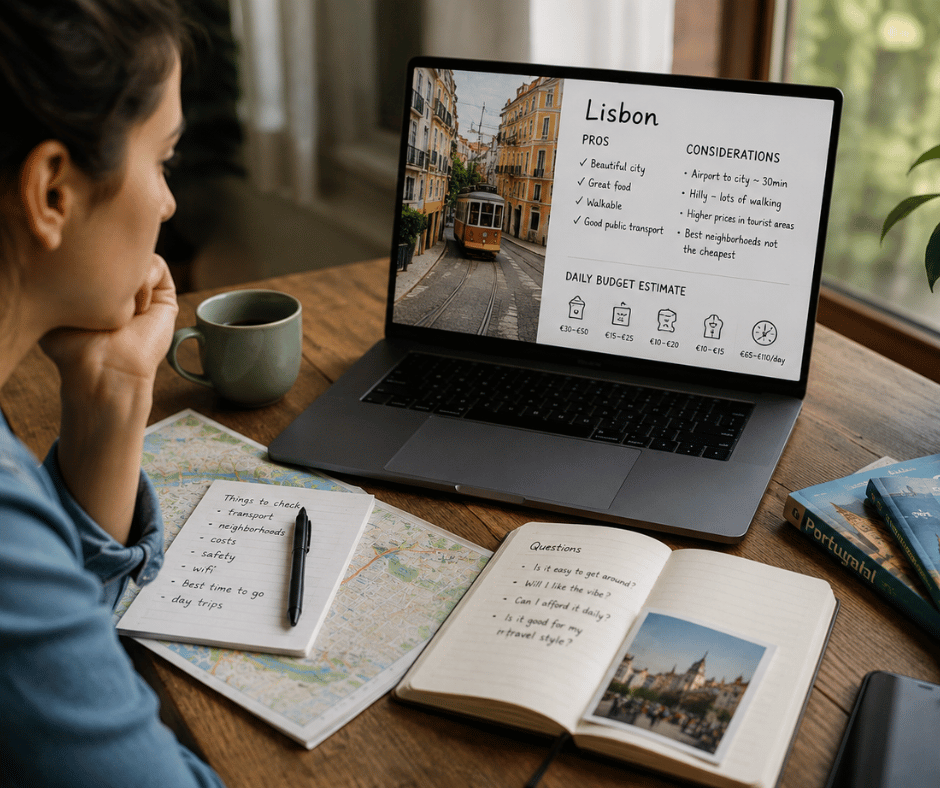
A trip can look perfect on social media and still be wrong for you. That beach town might be stunning but hard to reach without a car. That “affordable” capital city might fit a one-week vacation budget but feel expensive once you factor in airport transfers, neighborhood choices, and restaurant prices. If you want to know how to research a destination before traveling, the goal is not just to collect facts. It is to understand what daily life in that place will actually feel like for you.
The best destination research gives you more than inspiration. It helps you decide whether a place matches your budget, energy, interests, comfort level, and travel style. It also helps you avoid the common mistake of planning for the highlight reel instead of the real experience.
Start with your reason for going
Before you compare flights or save hotel screenshots, get clear on the purpose of the trip. Are you looking for rest, cultural immersion, food, nightlife, outdoor adventure, a scouting trip for relocation, or a mix of a few things? The answer changes how you should evaluate a destination.
A traveler planning a five-day getaway will research differently than someone testing a city for remote work or long-term living. If you are considering a future move abroad, your research needs to go beyond landmarks and bucket-list activities. You need to pay attention to neighborhoods, transportation, grocery access, healthcare, safety, and what a normal Tuesday looks like.
This first step sounds simple, but it keeps the rest of your research focused. Without it, every destination can start to look equally appealing, which usually leads to overwhelm instead of clarity.
How to research a destination before traveling with the right questions
Good research starts with better questions. Instead of asking only, “What is there to do?” ask questions that reveal how the destination actually functions.
What is the best time of year for the kind of trip you want? How easy is it to get around without renting a car? Which neighborhoods are convenient, safe, and aligned with your budget? Is the destination known for a relaxed pace, or does it require a lot of advance booking and logistics? Are there local customs or dress expectations that matter? If you work remotely, how reliable is internet access and how easy is it to find productive places to work?
These questions move you from dream-stage browsing into practical planning. They also help you spot trade-offs early. A place may offer incredible culture and value but have long transit times between attractions. Another destination may be easy and comfortable but less immersive than what you hoped for. Research is not about finding a perfect place. It is about finding the right fit.
Look beyond top attractions
It is easy to start with famous sights, and that is fine. But if your research stops there, you are missing the part of travel that shapes the experience most - how the destination feels once you are there.
Read about local transportation, pace of life, tipping culture, weather patterns, common scams, typical meal times, and how far apart key areas really are. A city may seem compact on a map but involve steep hills, traffic bottlenecks, or transit lines that make your days longer than expected. A coastal town may look peaceful in photos but be crowded and noisy during the exact month you want to visit.
This is also where traveler-created content can help, as long as you use it carefully. One person’s “boring” is another person’s peaceful. One traveler’s “unsafe” may reflect inexperience rather than widespread risk. Look for patterns across many sources rather than treating one opinion as the full story.
Research neighborhoods, not just the destination
A destination is rarely one single experience. The neighborhood you stay in can shape your trip as much as the country or city itself.
A lively central area may be great if you want walkability and late-night dining, but less ideal if you need quiet sleep or lower prices. A residential neighborhood may offer a more grounded local experience, but it could require more planning for transportation. If you are thinking like an expat or long-stay traveler, neighborhood research becomes even more important because daily convenience matters more than postcard views.
Spend time comparing areas based on your priorities. Look at commute times from the airport, access to public transit, food options, noise levels, and whether the area feels tourist-heavy or more local. This step often turns a good trip into a much better one.
Use a layered source mix
The smartest way to research is to combine different types of information. Official tourism material can help you understand major attractions, seasonal events, and transportation basics, but it usually presents the destination at its most polished. Personal blogs, video content, traveler forums, and expat discussions often reveal the practical details that official sources skip.
Local news can also be useful, especially if you are traveling during a period of political change, transit disruption, extreme weather, or public events. If you are considering a longer stay, look for first-hand accounts about rental markets, bureaucracy, healthcare access, coworking culture, and social life.
Each source gives you one angle. Together, they create something more useful: a balanced picture. That is often where globally minded travelers get ahead. Instead of asking, “What are the best things to do there?” they ask, “What is this place really like from multiple perspectives?”
Match the destination to your budget honestly
Budget research goes wrong when people look only at cheap flights or average hotel prices. Real trip costs come from the full picture: transportation within the destination, meals, attraction fees, airport transfers, data access, travel insurance, and the cost of staying in an area that actually works for your plans.
A destination can be affordable in theory and expensive in practice if the cheaper accommodations are far from everything you want to do. On the other hand, a city with a higher nightly rate may save you money if it has excellent public transit, free cultural attractions, and walkable neighborhoods.
If you are planning slow travel or exploring future relocation options, go deeper. Research grocery costs, SIM card pricing, monthly transit passes, gym memberships, and what locals consider expensive versus normal. Those details tell you more than broad labels like “budget-friendly.”
Understand the seasonal reality
Season matters far beyond temperature. It affects crowd levels, prices, daylight hours, local festivals, transportation schedules, and even whether the destination delivers the experience you imagined.
A shoulder-season trip can offer better value and a more relaxed pace, but some restaurants, tours, or ferry routes may be limited. Peak season may provide the fullest version of a place, yet bring long lines, heat, and premium pricing. Rainy season may sound like a deal-breaker until you learn that showers are brief and landscapes are at their most vibrant.
When thinking about how to research a destination before traveling, seasonal context is one of the biggest factors in setting realistic expectations. Two people can visit the same destination in different months and come home with completely different impressions.
Pay attention to cultural fit
The most rewarding travel often happens when you understand not just where you are going, but how to move through that place respectfully.
Research local etiquette, dining customs, religious considerations, dress norms, and communication style. In some places, spontaneity works well. In others, reservations and planning matter. Some destinations reward early mornings and long lunches. Others come alive late at night. Understanding these rhythms helps you plan smarter and feel more at ease once you arrive.
This kind of research is especially valuable for travelers who want more than a surface-level vacation. It helps you move through the destination with curiosity rather than friction.
Build a test itinerary before you book
One of the best research tools is a rough itinerary. Not a minute-by-minute schedule, just a realistic draft of what your days could look like.
Map out where you would stay, what you would prioritize, how long it takes to move between areas, and what your likely daily costs would be. Once you do that, gaps start to show. Maybe the museum you want to visit is closed on the days you planned. Maybe the scenic town you wanted as a day trip is much farther than it looked online. Maybe your budget only works if you shift neighborhoods or reduce internal travel.
This is where research becomes decision-making. A destination stops being an idea and starts becoming a workable plan.
Know when you have enough information
There is a point where more research stops being helpful and starts feeding indecision. You do not need to know every café, every hidden gem, or every transit rule before you go. You need enough information to choose confidently, book wisely, and arrive prepared.
For most trips, that means understanding the destination’s pace, costs, logistics, best areas to stay, cultural basics, and seasonal realities. For relocation scouting or long-term stays, it means adding daily-life research on top of that foundation. Global Footprints Abroad exists for exactly this kind of traveler - someone who wants the inspiration, but also wants the truth behind the brochure.
The real win is not researching until a place feels risk-free. It is researching until you can recognize what the destination offers, what it asks of you, and whether that exchange feels worth it. That is how better trips begin - not with more tabs open, but with clearer perspective.