12 Best Places for Cultural Travel
Some trips are about beaches, food, or a change of scenery. The best places for cultural travel give you something harder to shake - a new sense of how people live, remember, celebrate, and shape daily life. If you want more than a checklist of landmarks, the right destination should reward curiosity long after you get home.
Cultural travel also means different things depending on your style. For some travelers, it is architecture, museums, and historic districts. For others, it is neighborhood markets, language exchange, festivals, family-run food spots, and the chance to understand what everyday life feels like. That difference matters, especially if you are not only planning a trip but also quietly asking whether a place could fit a longer stay.
What makes the best places for cultural travel?
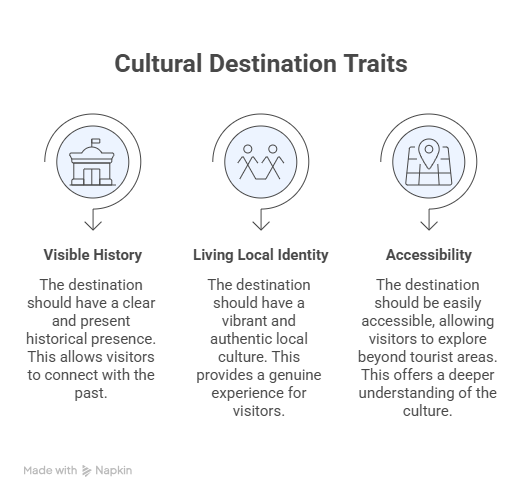
The strongest cultural destinations usually share a few traits. They have visible history, a living local identity, and enough accessibility that you can move beyond tourist bubbles. A city can have world-class museums and still feel flat if most visitors only experience a polished center. On the other hand, a destination with fewer famous attractions can feel deeply rewarding if culture is still woven into ordinary life.
For travelers from the US, practical considerations matter too. A great cultural destination is easier to appreciate when you can navigate it without constant friction. Good public transit, walkable neighborhoods, affordable food options, and a reasonable learning curve all make it easier to engage with a place instead of spending your energy solving logistics.
12 best places for cultural travel
Kyoto, Japan
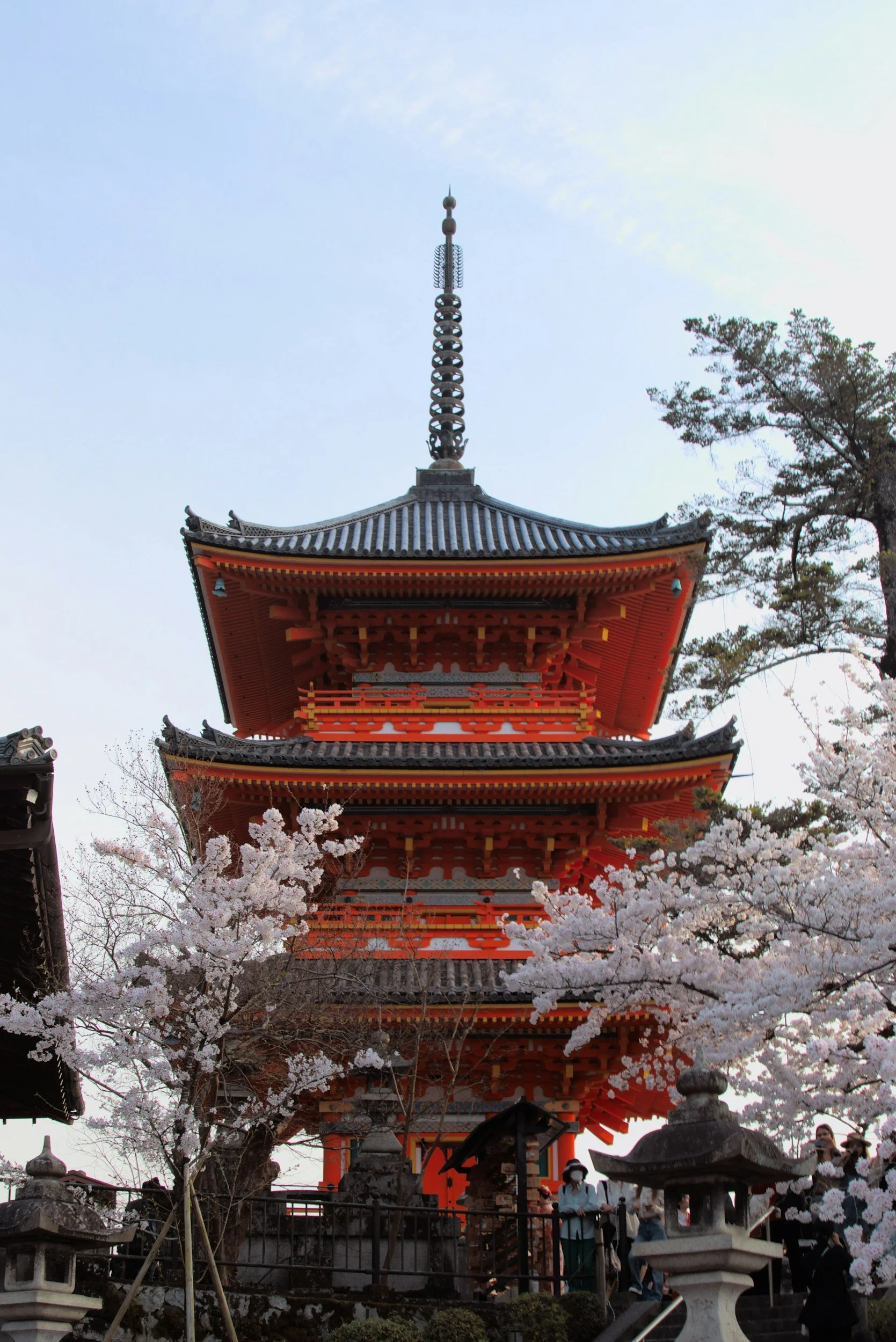
Kyoto earns its place because tradition still feels present, not staged. Temples, tea houses, seasonal rituals, and carefully preserved neighborhoods create a sense of continuity that is hard to replicate. Yet Kyoto is not frozen in time. University life, modern design, and a strong food culture keep it from feeling like a museum city.
The trade-off is popularity. Peak seasons can be crowded, especially during cherry blossom and fall foliage periods. If you go, stay long enough to explore quieter districts and smaller shrines early in the morning. For travelers considering Japan beyond a short visit, Kyoto also offers a useful contrast to Tokyo - slower, more residential in feel, and easier to imagine as part of everyday life.
Istanbul, Turkey
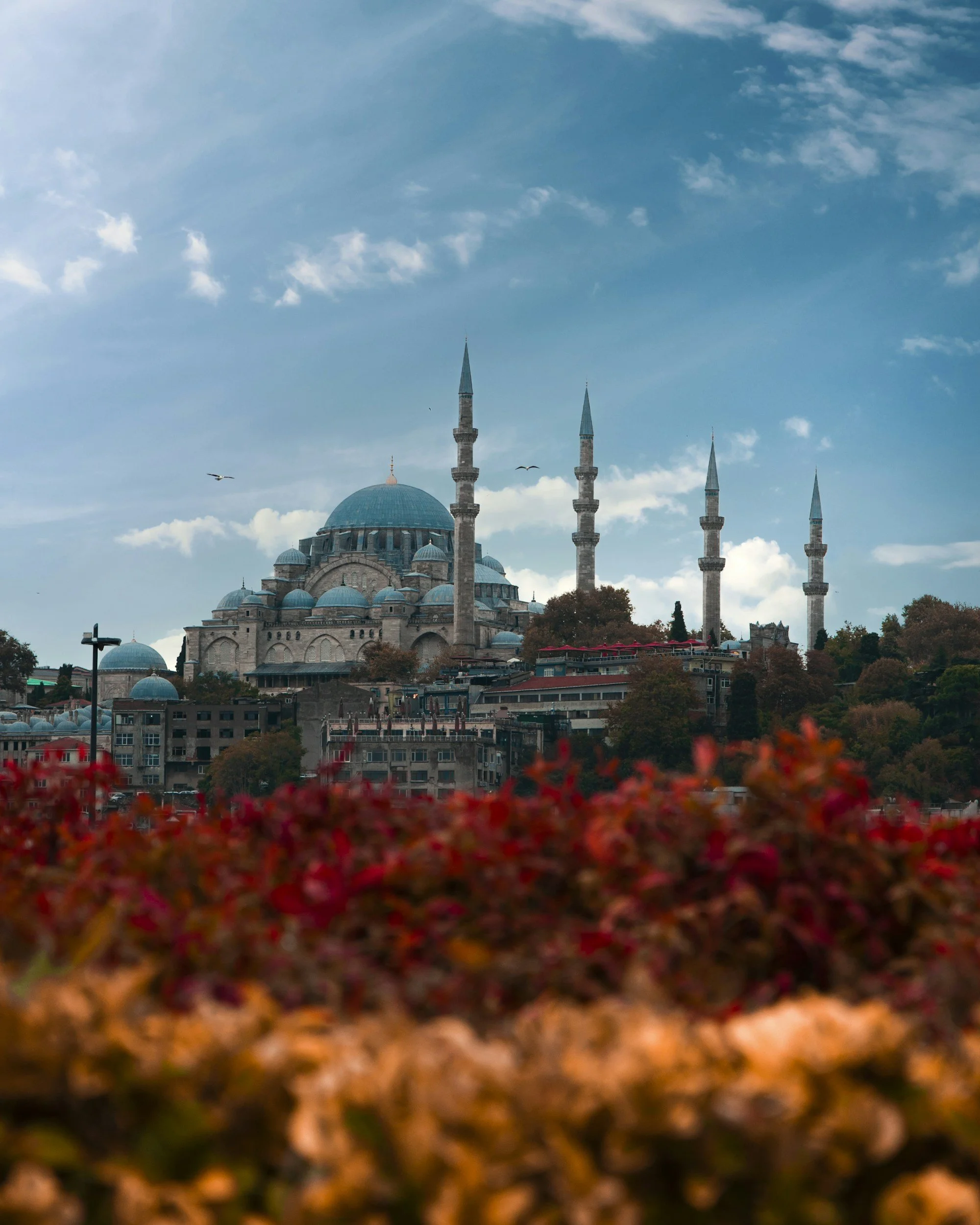
Few cities show cultural layering as vividly as Istanbul. Roman, Byzantine, and Ottoman histories sit alongside contemporary Turkish life, and that mix plays out in architecture, food, music, religion, and street rhythm. Even a simple ferry ride can feel like a lesson in geography and identity.
This is a place for travelers who enjoy complexity. Istanbul can be intense, noisy, and fast-moving, which is part of the appeal but not for everyone. If you like destinations that ask you to pay attention, it is one of the richest choices you can make.
Mexico City, Mexico
For US travelers, Mexico City is one of the most accessible and rewarding cultural capitals anywhere. You get pre-Hispanic history, colonial architecture, world-class museums, serious food culture, public art, and neighborhoods with distinct personalities. It is broad enough to support many travel styles, from first-time international travelers to remote workers staying for months.
It also works well as a gateway to deeper cultural travel because daily life is so visible. Markets, parks, local cafes, and community events often leave a stronger impression than major attractions. Altitude, traffic, and the city’s scale can wear people out, so slower pacing helps.
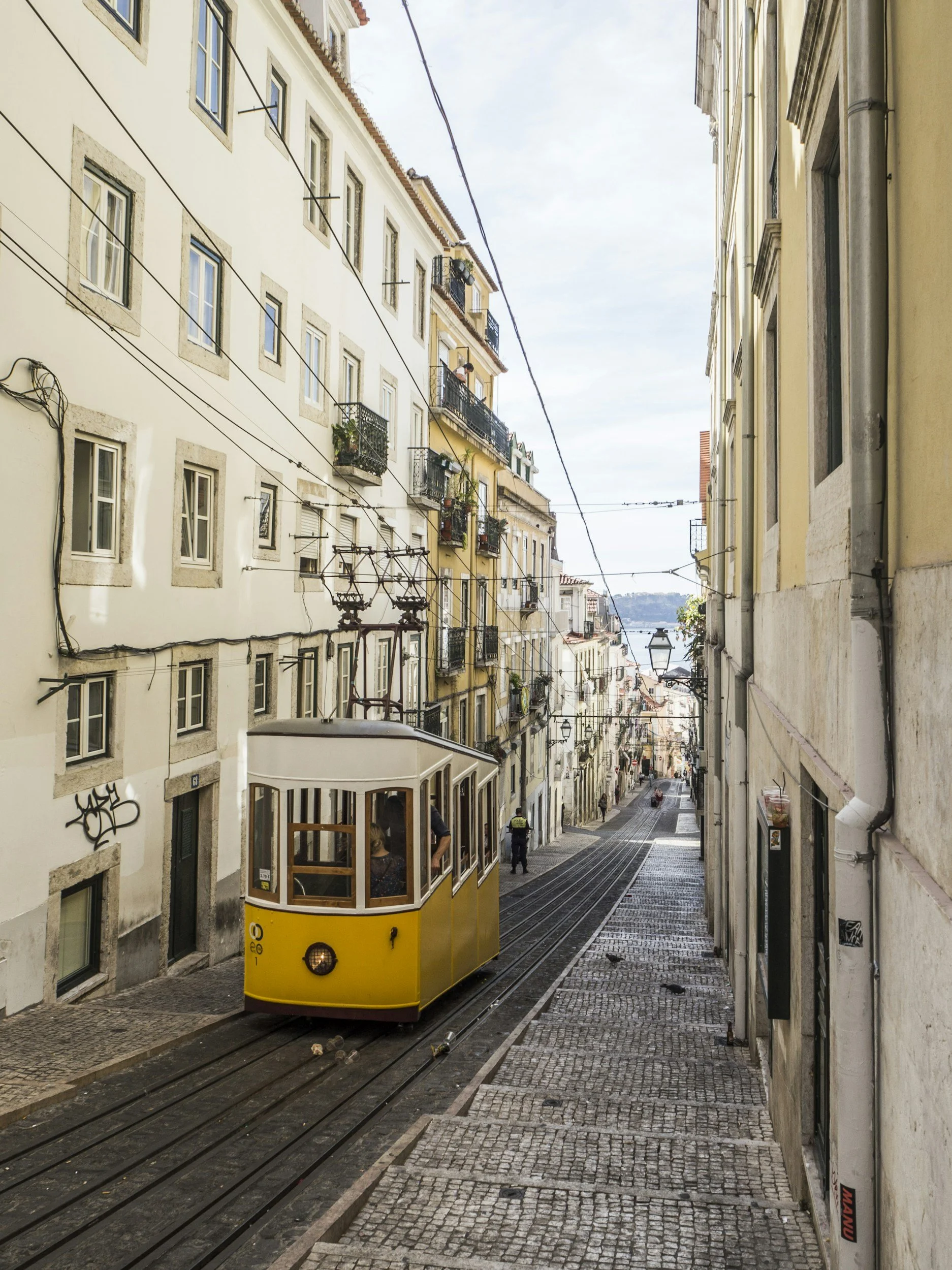
Lisbon, Portugal
Lisbon offers culture in a way that feels approachable. You can see it in tiled facades, hear it in local music traditions, and experience it through neighborhood life that still feels lived in. The city balances beauty with enough grit and personality to stay interesting.
For longer-stay thinkers, Lisbon has obvious appeal because it is relatively manageable compared with larger European capitals. The challenge is that its popularity has changed parts of the city, especially around housing and tourism pressure. That does not erase its cultural depth, but it does mean you should look beyond the most photographed areas.
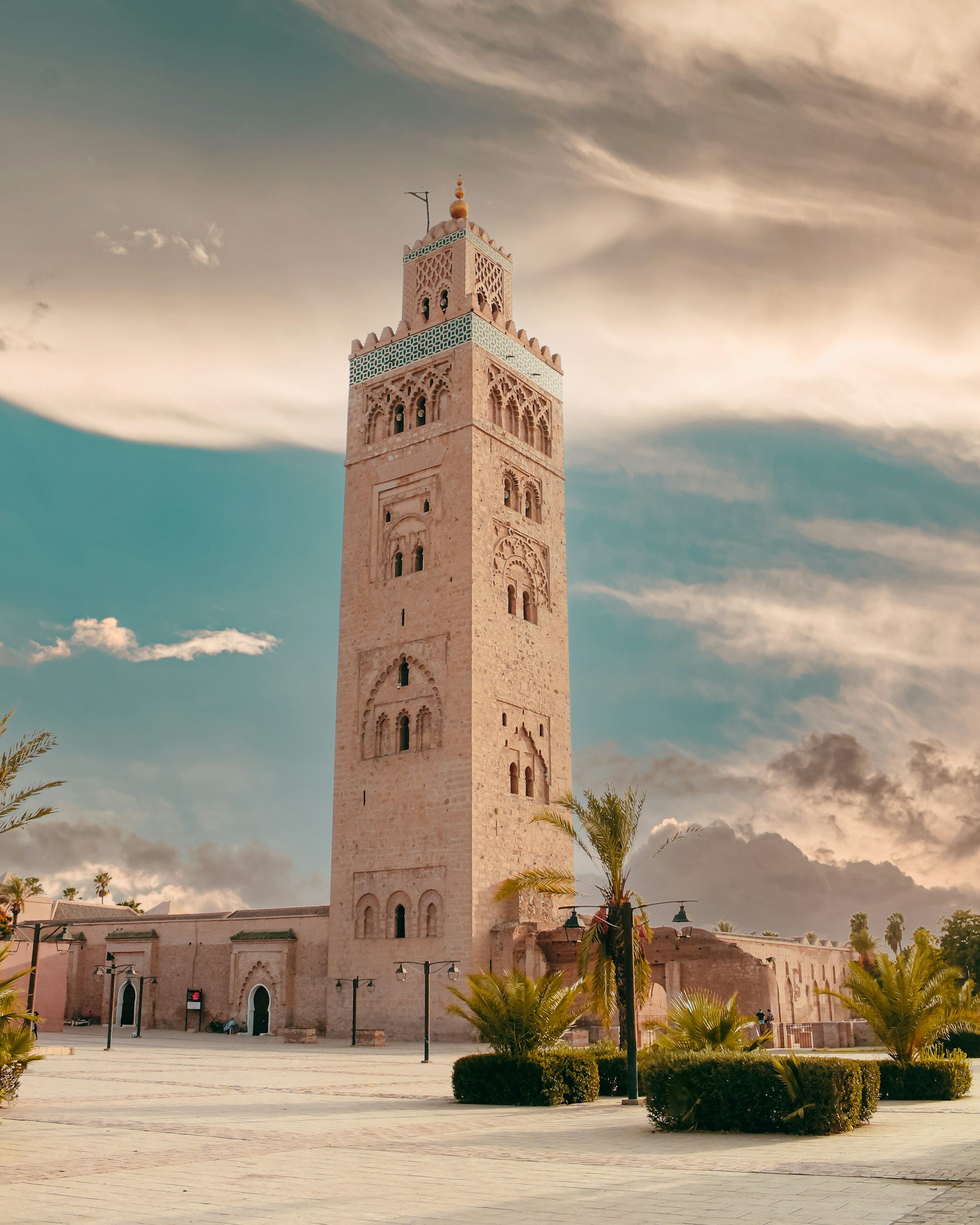
Marrakech, Morocco
Marrakech is sensory, social, and deeply rooted in place. The medina, artisan traditions, riads, gardens, and culinary culture create a strong atmosphere almost immediately. It is one of those destinations where the setting itself reshapes how you move through the day.
At the same time, Marrakech can feel overwhelming if you arrive expecting a passive sightseeing trip. Bargaining, navigation, and intensity are part of the experience. Travelers who come with patience and respect usually get much more from it than those trying to control every interaction.
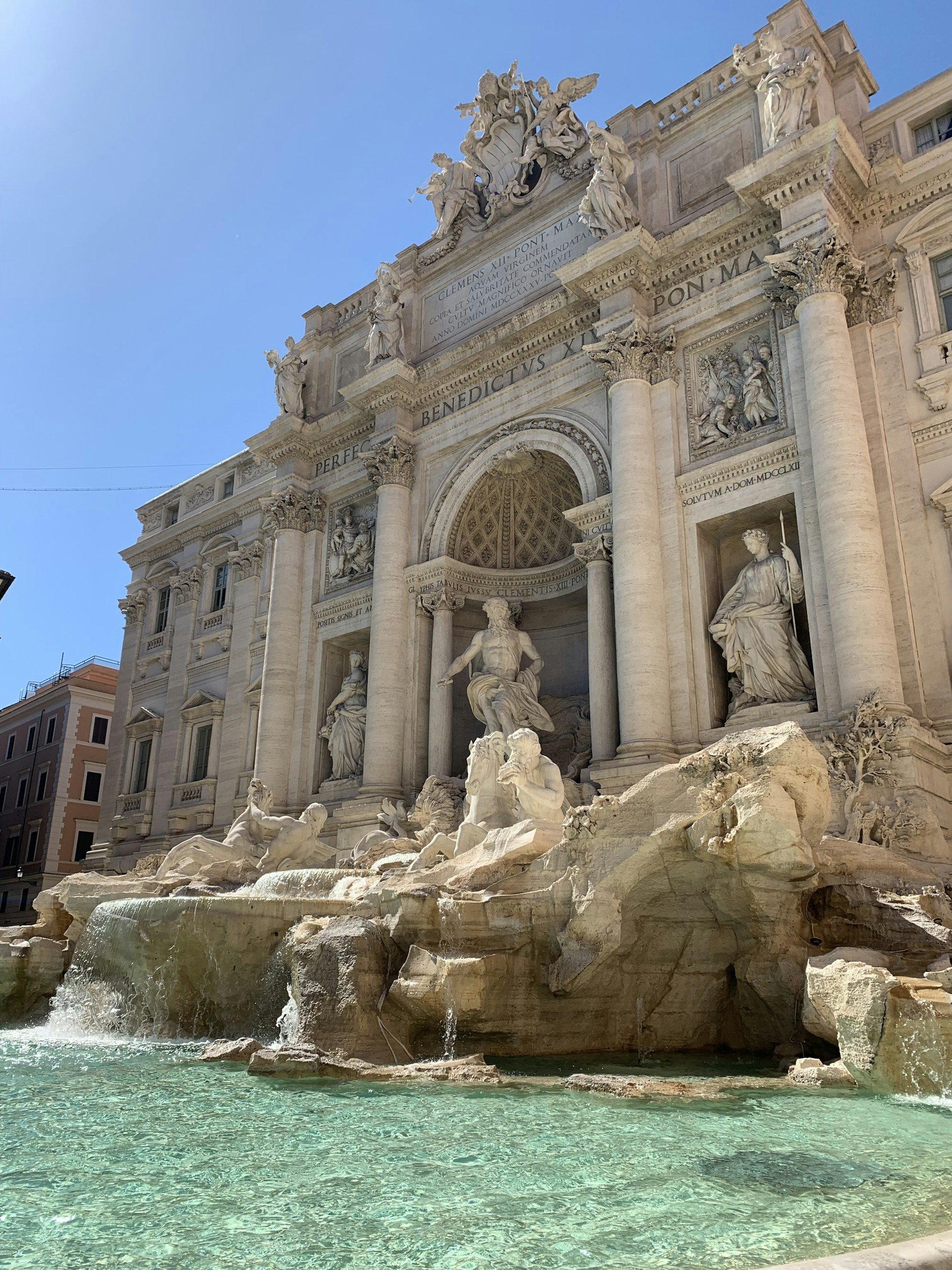
Rome, Italy
Rome could easily lean on its ancient reputation alone, but what keeps it compelling is the overlap of eras. Ruins, churches, apartment blocks, espresso bars, and neighborhood routines exist side by side. The result is not just historical significance but a city that keeps reminding you culture is lived, not archived.
The obvious drawback is that Rome is crowded and expensive in high season. Still, if you shift your focus from only headline sites to local districts and daily rituals, the city becomes much more personal. It is especially strong for travelers who want culture without sacrificing comfort or ease.
Oaxaca, Mexico
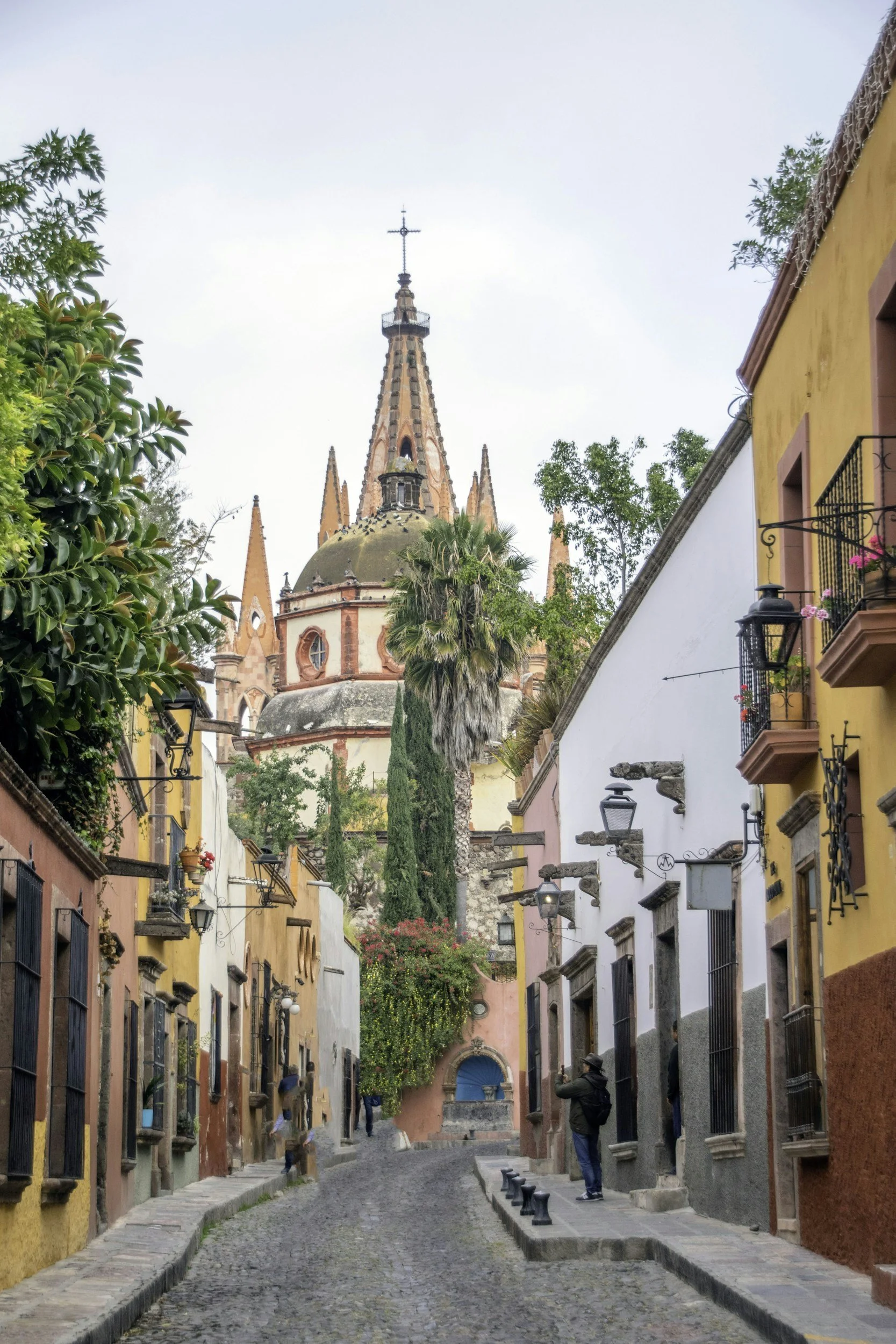
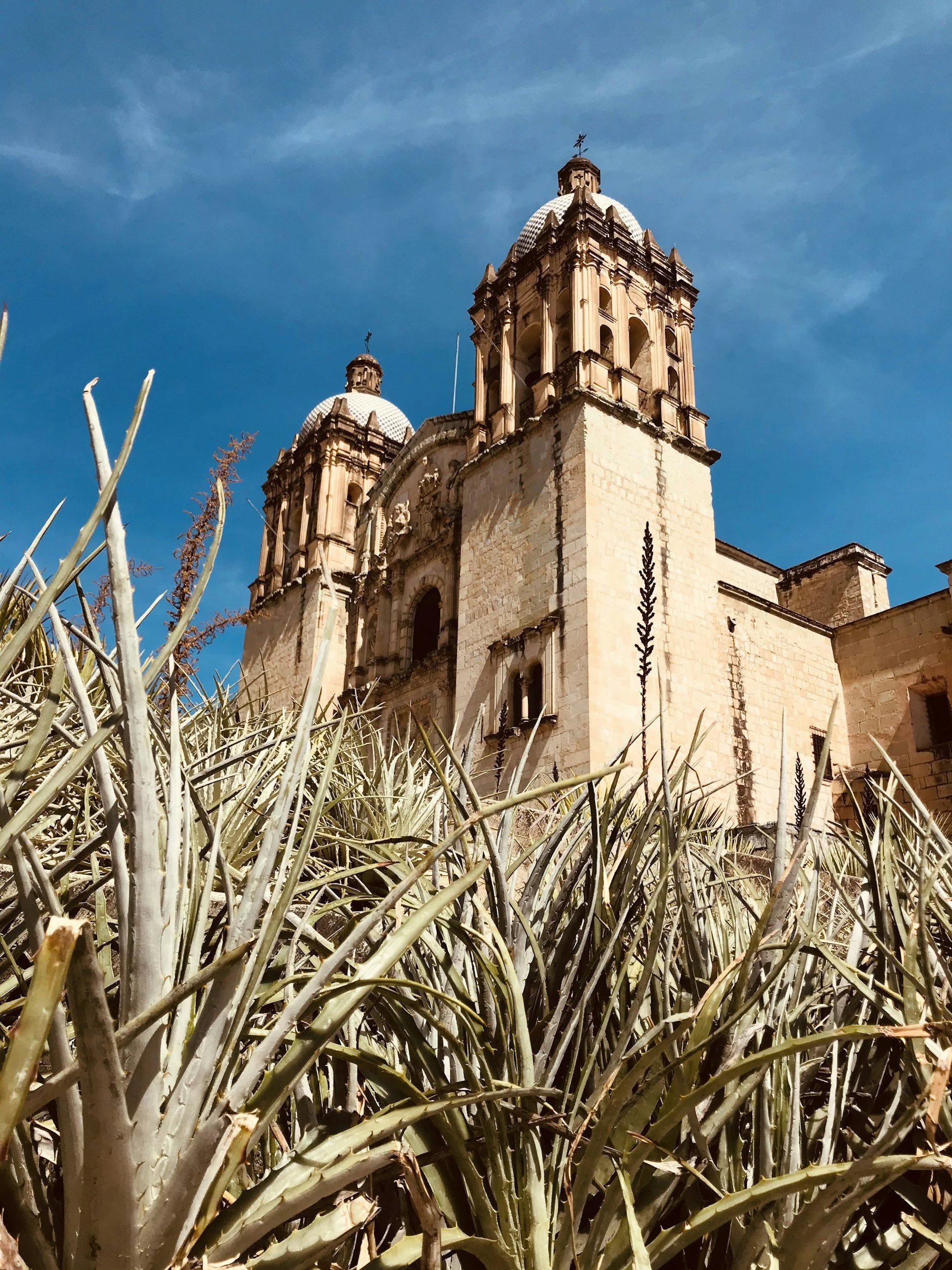
Oaxaca stands out for travelers who want cultural depth in a more intimate setting. Indigenous heritage, regional food traditions, craft communities, festivals, and language all shape the experience in ways that feel specific rather than generic. It is a place where local identity remains strongly expressed.
It is also one of the better examples of why smaller cities can outperform major capitals for cultural immersion. You may not get endless attractions, but you often get stronger connection. If your travel style leans toward walking, conversation, and repeated visits to the same places, Oaxaca delivers.
Kyoto and Oaxaca compared
If you are choosing between destinations like Kyoto and Oaxaca, the decision comes down to how you want to experience culture. Kyoto is highly structured, layered, and reflective. Oaxaca is warmer in tempo, more visibly communal, and often easier to experience through food and public life. Neither is better. It depends on whether you want quiet observation or more spontaneous interaction.
Fez, Morocco
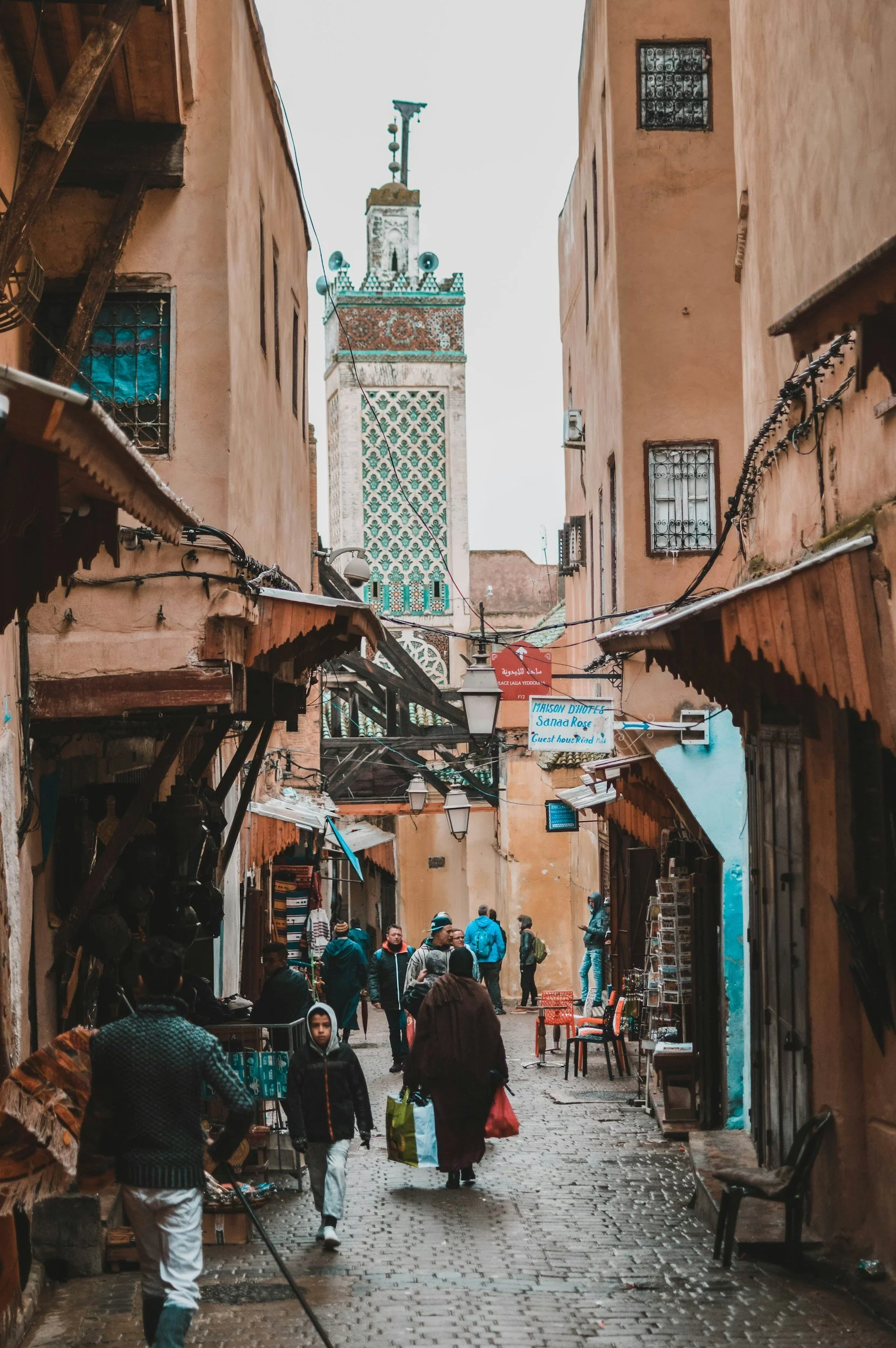
Fez is less polished for tourism than Marrakech, and for many travelers, that is exactly the point. Its medina feels intricate, historic, and deeply embedded in tradition. Craftsmanship, religious heritage, and urban form all create a sense of continuity that rewards slow exploration.
This is not the easiest destination on the list, but it can be one of the most memorable. If you prefer places that still demand some adjustment, Fez has real power. It helps to stay in a well-located riad and give yourself time to get lost without treating every wrong turn as a problem.
Hanoi, Vietnam
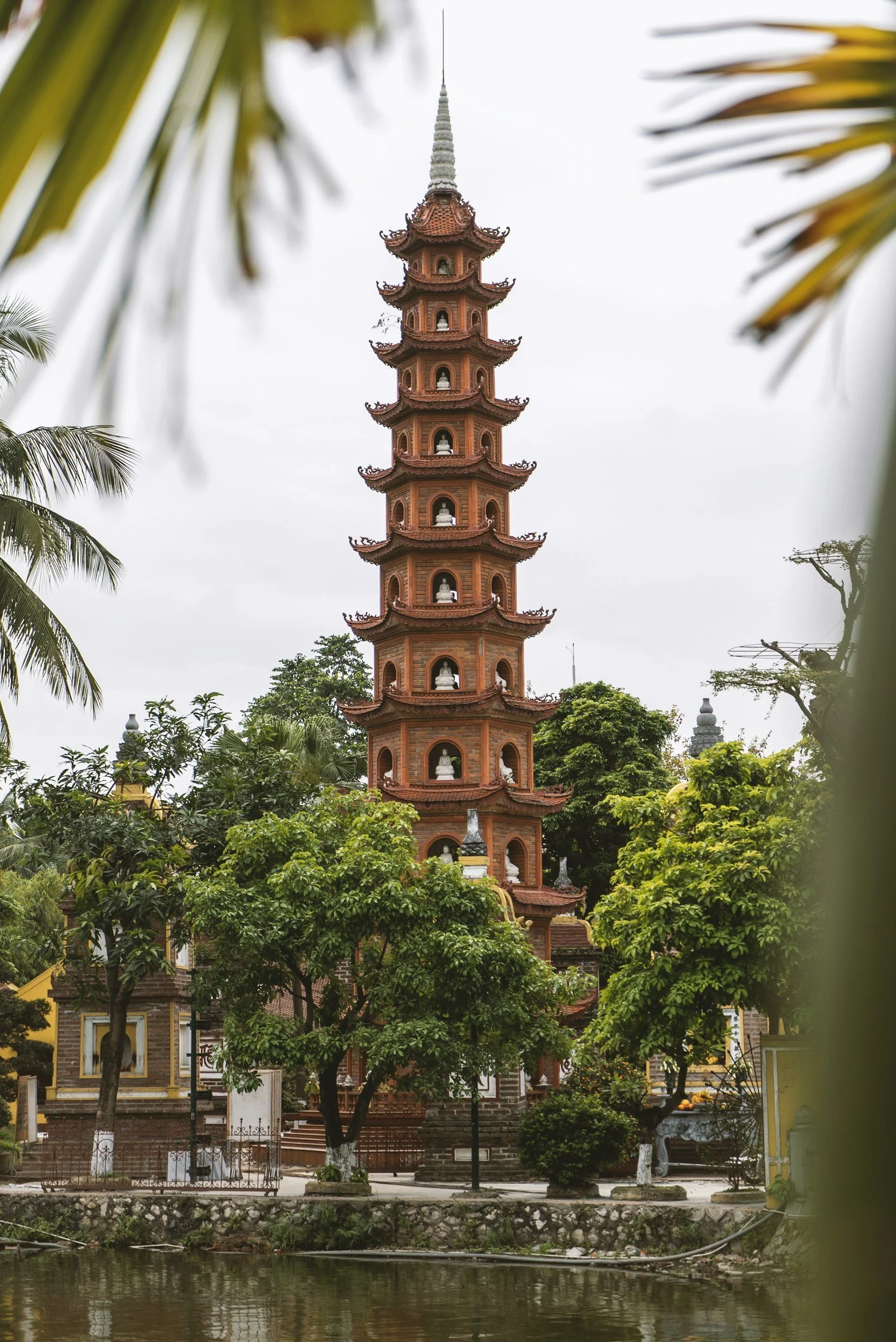
Hanoi offers a cultural experience that feels immediate and layered rather than curated. Street food culture, French colonial remnants, temples, lakes, local commerce, and fast-paced urban life all coexist in close quarters. The city has energy, but it also has pockets of reflection if you know where to look.
For budget-conscious travelers, Hanoi is especially appealing. Costs can be lower than in many major cultural capitals, which allows for longer stays and more flexibility. The main challenge is sensory intensity - traffic, noise, and density can be tiring at first.
Seville, Spain
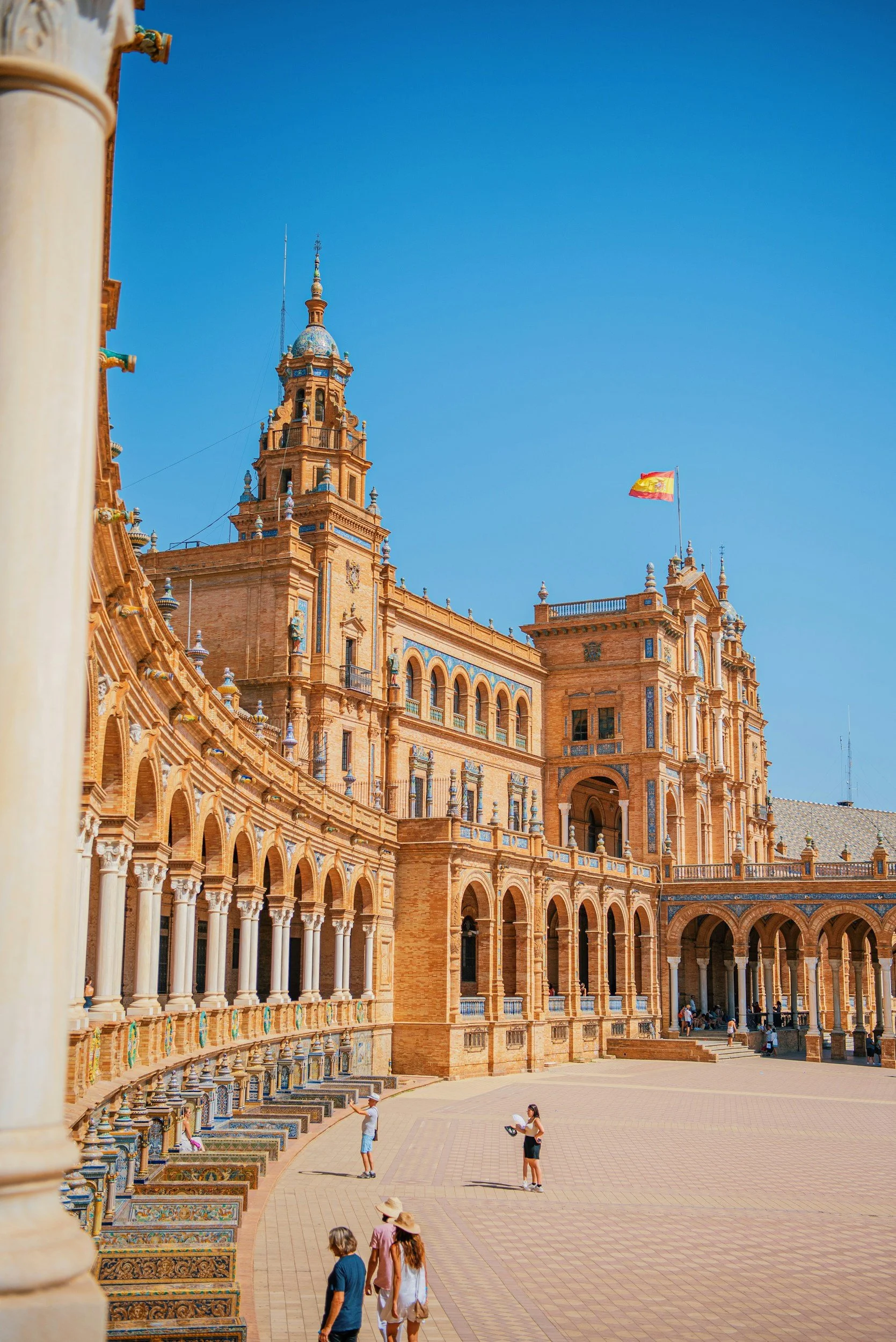
Seville brings together architecture, religious history, Andalusian identity, and strong performance traditions in a city that feels expressive and proud of itself. It is one of the best places to understand how regional culture can differ sharply from national stereotypes.
It also works well for travelers who want a cultural trip that still feels relaxed and social. The pace can be more human than in Europe’s biggest capitals. Summer heat is the major warning here. Timing matters more in Seville than many people expect.
Cusco, Peru
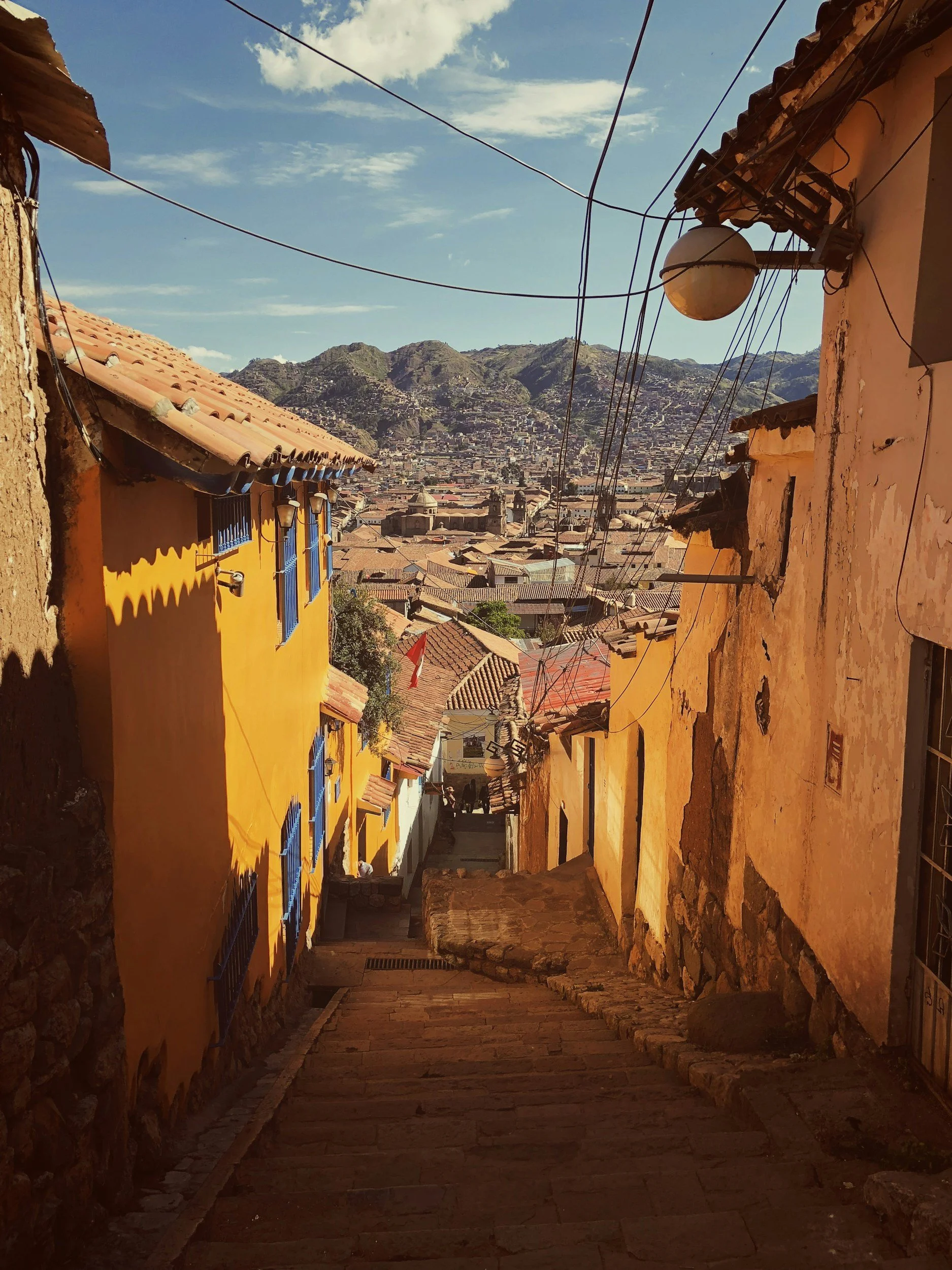
Cusco is often treated as a stop on the way to Machu Picchu, but that undersells it badly. The city itself reflects layers of Inca and Spanish influence, and the surrounding region adds living traditions, markets, and highland communities that broaden the experience.
Altitude is a real factor, so building in adjustment time is wise. But if you do, Cusco becomes much more than a gateway. It is one of the strongest cultural bases in South America for travelers who want history tied to landscape and daily life.
Tbilisi, Georgia
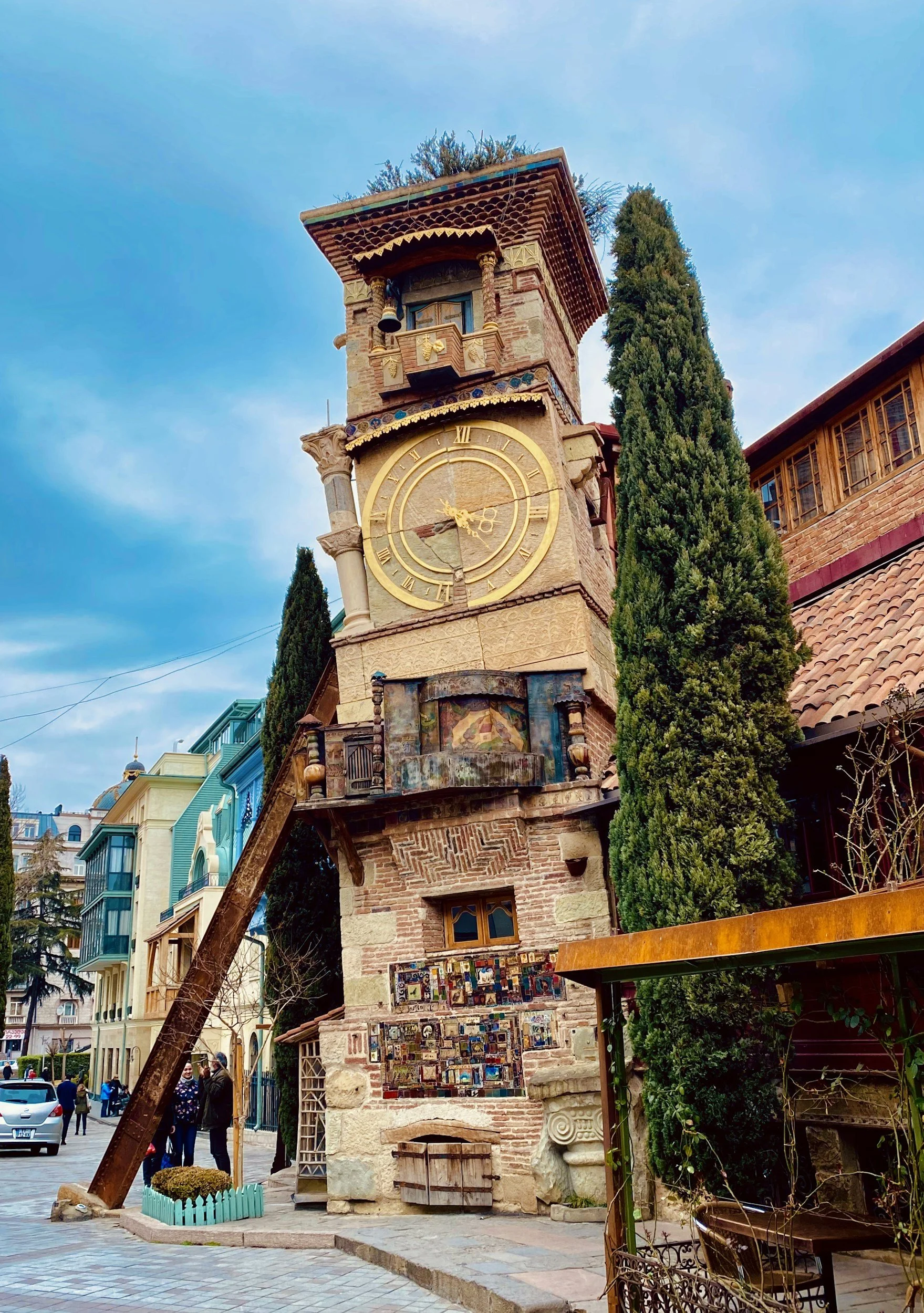
Tbilisi is still less obvious for many US travelers, which is part of its appeal. Its blend of European, Persian, Russian, and Caucasus influences gives it a distinct identity that does not feel copied from better-known capitals. Food, architecture, language, and social customs all reflect that mix.
For curious travelers and potential long-stay visitors, Tbilisi offers strong value. It is affordable by many international standards and increasingly popular with remote workers, but it still feels culturally grounded. That balance may not last forever, which makes now a particularly interesting time to go.
How to choose the right cultural destination for you
The best places for cultural travel are not automatically the most famous ones. If you are energized by order, ritual, and historical continuity, Japan or parts of Europe may suit you best. If you want visible street life, layered identities, and a little unpredictability, cities like Istanbul, Mexico City, or Hanoi may be more rewarding.
Trip length matters too. For a one-week vacation, choose a place where logistics will not eat up your attention. For a month-long stay or a scouting trip for possible relocation, think beyond attractions. Ask whether the city has neighborhoods you would actually want to return to, food you could eat regularly, and a pace that matches your life.
That is where a globally minded brand like Global Footprints Abroad can be especially useful - not just for inspiration, but for evaluating what a destination feels like after the sightseeing glow fades.
A good cultural trip should leave you with more than photos and facts. It should change your sense of scale a little, make other ways of living feel more real, and give you enough practical confidence to keep going farther next time.